

Remodeling a home is an exciting opportunity to improve comfort, functionality, and value. However, it can also be a complex, stressful process if not managed properly. One of the most important factors in a successful remodel is selecting the right contractors. Hiring the wrong professionals can lead to delays, subpar work, unexpected costs, and ongoing maintenance issues.
A structured approach to vetting and coordinating contractors ensures your renovation runs smoothly, stays on schedule, and delivers the quality you expect. This checklist walks homeowners through every step of the selection process, providing actionable guidance to make informed decisions, avoid common pitfalls, and maximize the return on your investment.
1. Start With a Clear Renovation Plan and Scope
Before engaging any contractors, the foundation for a successful remodel begins with a comprehensive and detailed renovation plan. Without clearly defined objectives, homeowners risk miscommunications, budget overruns, and delays. A solid plan not only identifies what needs to be done but also determines the sequence of work, helping contractors coordinate their efforts efficiently.
When creating your plan, start by documenting desired outcomes. Break down each area of your home that will undergo remodeling, including structural updates, system improvements, and aesthetic changes. For example, note if walls will be moved, electrical or plumbing systems updated, or specific finishes replaced. Creating a detailed checklist ensures nothing is overlooked and provides contractors with a clear understanding of the project scope, which leads to more accurate estimates and fewer surprises during construction.
Next, define a realistic timeline and budget. Establishing financial and scheduling boundaries upfront allows contractors to plan their work effectively and helps homeowners prioritize tasks. For instance, knowing whether certain upgrades need to coincide with seasonal conditions, such as exterior painting or roof work, can prevent costly delays. Budget planning should include contingencies for unforeseen issues, especially in older homes where hidden damage can be uncovered once walls or ceilings are opened.
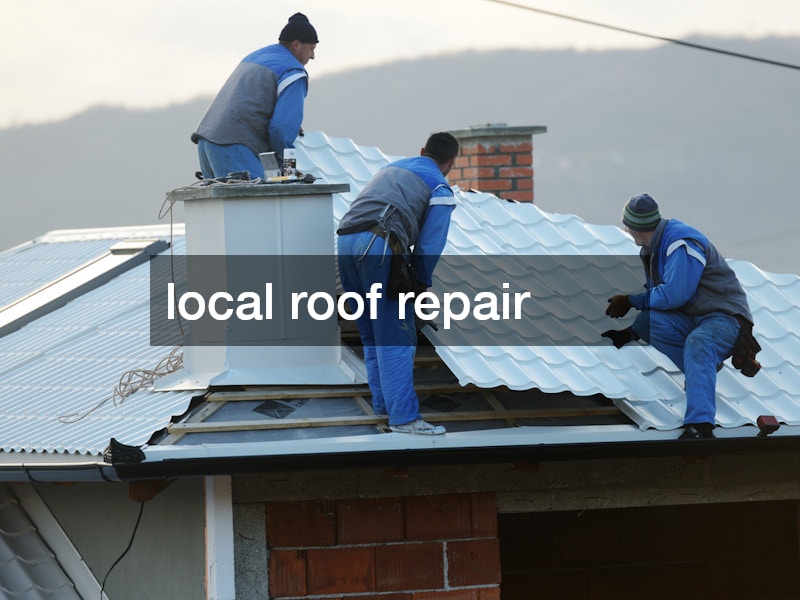
Identifying roofing needs early is critical. Your roof protects all other areas of the home, so addressing it at the start prevents water damage and structural compromise. Decide whether minor fixes are sufficient or if a complete replacement is necessary. Engaging a local roof repair specialist at this stage allows for an in-depth assessment of shingles, underlayment, flashing, and potential leaks. By identifying vulnerabilities early, small problems can be addressed before they escalate during construction, avoiding interruptions to other contractors’ work.
Additionally, consulting with roofing installation professionals provides valuable insight into long-term improvements. They can advise on material options, slope adjustments, ventilation requirements, and compliance with local building codes. Proper installation recommendations at the planning stage ensure that the roofing system aligns with your renovation goals, whether it’s energy efficiency, durability, or aesthetic appeal.
Finally, prioritizing structural and exterior elements in your renovation plan establishes a sequence that protects the property and supports efficient workflow. When contractors know which elements are critical to address first, such as roof repairs or installations, they can coordinate with interior specialists, minimize rework, and maintain the integrity of both existing structures and newly added systems. This proactive planning ultimately saves time, reduces stress, and sets the stage for a successful remodel from start to finish.
2. Research and Verify Contractor Credentials
Verifying contractor credentials is a critical step in ensuring a successful remodel. Credentials are more than just a bureaucratic requirement—they demonstrate that a contractor has the skills, training, and legal compliance needed to complete a project safely and to code. Taking the time to research and confirm qualifications early helps prevent costly mistakes, subpar work, and potential legal issues.
Check licensing and insurance first. All contractors should hold the appropriate state and local licenses for their trade. This is especially important for trades like roofing and garage door installation, which involve structural and mechanical work. Confirm that liability insurance and workers’ compensation coverage are in place. Liability insurance protects your property if damage occurs during construction, while workers’ compensation ensures you are not held responsible for injuries to the contractor or their employees. Never hire a contractor who cannot provide proof of valid, up-to-date coverage.
Evaluate references and past work to gauge reliability and craftsmanship. Ask contractors for portfolios of completed projects similar to your planned remodel. For roofing, review examples of homes with comparable materials, slopes, and climates to ensure they have the experience to handle your specific situation. For garage doors, examine installations and repairs that demonstrate their ability to work with different door types, opener systems, and security features. Speaking directly with past clients provides insight into communication skills, punctuality, problem-solving, and overall satisfaction.
Verify reputation online by checking trusted review platforms, local business directories, and social media. Look for consistent positive feedback, but also pay attention to how contractors respond to complaints or negative reviews. A contractor who addresses concerns professionally is often more reliable than one who ignores criticism or blames clients. This research helps identify trustworthy professionals and avoid those with a history of poor workmanship or mismanagement.
Assess trade-specific experience carefully. Reputable local roofing contractors should have hands-on experience with homes similar to yours, including knowledge of local weather conditions, material performance, and compliance with regional building codes. Likewise, a local garage door company should demonstrate proficiency with both installation and repair, showing familiarity with manual and automatic doors, various opener systems, and security considerations. Confirm that the contractor understands current industry standards and can recommend solutions tailored to your home’s needs.
Be aware of red flags during this vetting process. Extremely low bids may indicate corners will be cut or subpar materials used. Vague contracts or unwillingness to provide references or insurance documentation should raise serious concerns. Prioritizing verified credentials ensures you hire contractors who are qualified, accountable, and capable of delivering a high-quality remodel without exposing you to unnecessary risks.
3. Evaluate Experience With Your Specific Project Type
Experience matters more than a flashy website or smooth sales pitch. Contractors who have completed similar renovations are more likely to anticipate challenges, provide accurate estimates, and deliver a quality result.
To evaluate experience:
-
Review previous projects: Ask for photos, walkthroughs, or references for remodels similar in scope and complexity.
-
Consider problem-solving skills: Renovations often reveal hidden issues such as uneven foundations, outdated wiring, or water damage. Experienced contractors should be able to adapt quickly.
-
Assess trade coordination: Ask how the contractor works with other professionals to ensure schedules align and work flows smoothly.
Hiring professionals with specific experience prevents costly delays, ensures higher-quality results, and allows for smoother integration of multiple systems, such as HVAC, plumbing, and structural work.
4. Check Specialization and Trade Coordination

Specialized contractors bring expertise and efficiency to specific areas of your remodel. While general contractors can oversee an entire project, certain tasks benefit from professionals who focus exclusively on their trade.
Key considerations include:
-
Hire specialized plumbers early: Local plumbers can address plumbing reroutes, fixture replacements, or pipe upgrades before walls are closed. Early coordination prevents having to tear out new drywall later.
-
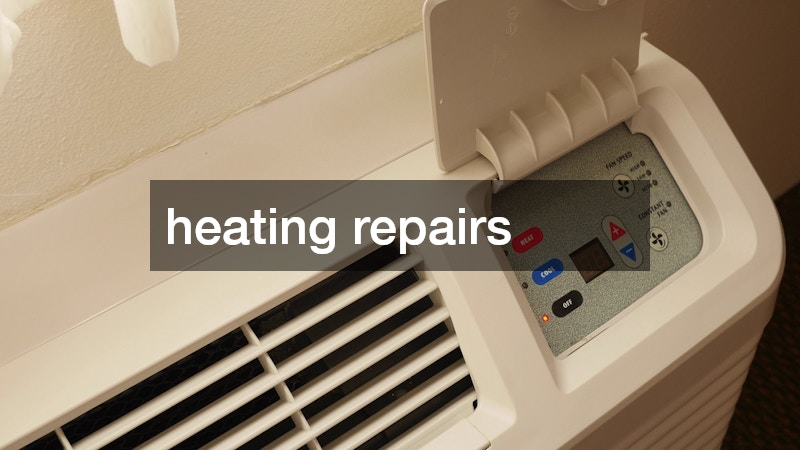
Schedule heating repairs strategically: If your remodel requires updates to heating systems, experienced contractors can perform heating repairs or replacements before flooring, trim, and finishes are installed.
-
Coordinate trades effectively: Plumbing and heating often intersect with electrical work, cabinetry, and HVAC installations. Ensuring trades work in sequence minimizes conflicts and rework.
Focusing on specialization ensures that each system is installed correctly and efficiently, saving time and money while reducing frustration.
5. Confirm HVAC Expertise and Service Options
Your home’s heating and cooling systems are critical to comfort, energy efficiency, and long-term functionality. Renovations often require upgrading or repairing HVAC systems, and contractors who can handle both replacements and repairs offer the most flexibility.
When evaluating HVAC contractors:
-
Determine whether replacements or repairs are needed: Some homes require ac replacements, while older systems may only need minor ac repair services.
-
Check for proper sizing and efficiency: Contractors should perform load calculations to ensure your HVAC system is adequately sized for the remodeled space.
-
Coordinate installation with other trades: Ductwork, insulation, and electrical systems must align with HVAC planning to prevent conflicts.
-
Ask about warranties and maintenance: Reliable contractors provide guidance on routine maintenance and equipment guarantees to protect your investment.
Integrating HVAC work into the early stages of remodeling ensures your home remains comfortable and prevents issues caused by system delays or poorly coordinated installations.
6. Evaluate Exterior and Landscaping Services
Trees and landscaping can impact nearly every aspect of a remodel, from site access to foundation stability. Addressing these elements early ensures safety and efficiency.
Steps to consider:
-
Assess tree risks: Overgrown or unstable trees can block access, damage property, or interfere with roofing and excavation work. A professional local tree removal company can determine whether pruning or removal is necessary.
-
Coordinate multiple tree removals efficiently: For larger properties, local tree removal companies can manage multiple projects simultaneously, minimizing disruption.
-
Obtain permits and follow safety regulations: Many municipalities require permits for tree removal, and certified contractors ensure compliance.
-
Plan site access: Clearing trees in advance provides unobstructed paths for equipment, materials, and delivery trucks.
By prioritizing exterior work, you protect your home, maintain safety, and prevent delays in other renovation phases.
7. Review Materials, Warranties, and Quality Guarantees
The quality of materials and the guarantees that accompany them directly affect the longevity and durability of your remodel. Contractors should be transparent about the options they provide and the warranties available.
Key points:
-
Assess material recommendations: Roofing, plumbing, HVAC, and garage components should be durable, code-compliant, and suited to your climate.
-
Check manufacturer warranties: Ensure contractors provide documentation for products and verify coverage.
-
Compare contractor guarantees: Some contractors offer labor warranties in addition to manufacturer coverage. Confirm duration, scope, and process for claims.
-
Document everything: Keep a detailed file with invoices, warranty paperwork, and service records for future reference.
A focus on materials and guarantees reduces long-term maintenance issues and provides peace of mind.
8. Compare Bids and Contracts Carefully
Selecting contractors solely based on the lowest bid is a common mistake. Instead, evaluate bids for clarity, completeness, and alignment with your goals.
Tips for comparing proposals:
-
Read every detail: Ensure labor, materials, permits, and cleanup are included.
-
Avoid hidden fees: Clarify costs for overtime, change orders, and unexpected complications.
-
Review timelines and milestones: Contracts should specify start dates, expected completion, and key project phases.
-
Include dispute resolution clauses: Protect yourself by documenting how conflicts or delays will be handled.
A thorough comparison ensures that you hire professionals who offer the best combination of quality, reliability, and value.
9. Communication and Project Management Skills
Strong communication is critical to a smooth remodeling process. Contractors who provide clear updates, respond promptly, and coordinate effectively help prevent misunderstandings and mistakes.
Actionable tips:
-
Establish a single point of contact: This ensures consistent communication for scheduling, approvals, and problem resolution.
-
Set expectations for updates: Decide how frequently you want progress reports, photos, or site meetings.
-
Evaluate problem-solving approach: Ask how contractors address unforeseen challenges or delays.
-
Confirm scheduling coordination: Ensure trades like plumbing, HVAC, and roofing are sequenced logically.
Effective communication not only reduces stress but also keeps the project on schedule and within budget.
10. Plan for Ongoing Maintenance After the Remodel

A successful remodel doesn’t end when construction crews leave. Proper maintenance protects your investment and extends the life of your systems.
Consider the following:
-
Schedule routine service: Roof inspections, HVAC tune-ups, and plumbing checks prevent minor issues from becoming major problems.
-
Know who to call for repairs: Maintaining relationships with the same local roofing contractors, local plumbers, or local garage door company ensures consistent service.
-
Document maintenance requirements: Keep manuals, warranties, and service records in a centralized file.
-
Plan for seasonal checks: Heating and cooling systems benefit from pre-season inspections to maintain efficiency.
Ongoing maintenance ensures the longevity, safety, and comfort of your remodeled home, protecting both your investment and your peace of mind.
Selecting the right contractors is one of the most important decisions in a home remodeling project. It’s important to plan when hiring local roof repair, ac replacements, local tree removal company, local plumbers, local tree removal companies, heating repairs, roofing installation, ac repair services, local roofing contractors, and alocal garage door company. By following a structured checklist—defining your renovation scope, verifying credentials, evaluating experience, coordinating trades, reviewing materials and warranties, comparing bids, and planning for ongoing maintenance—you can avoid common pitfalls and ensure a smooth, high-quality renovation. Careful planning, thorough vetting, and clear communication create a remodel that meets your expectations and provides lasting value.