

Preventive maintenance is one of the most overlooked yet crucial aspects of owning vehicles and recreational assets. Proactive care ensures that equipment operates safely, reliably, and efficiently. Ignoring maintenance schedules can lead to costly repairs, unexpected downtime, and even safety hazards. By establishing a structured approach, owners can extend the life of their assets, avoid emergency expenses, and maintain peak performance year-round. Preventive maintenance is not just about preserving value—it’s about peace of mind and protecting your investment.
Establishing a Routine Maintenance Schedule
Establishing a routine maintenance schedule is one of the most effective ways to protect your vehicles and recreational assets from unexpected failures and costly repairs. Many serious problems begin as small, often overlooked issues—like a minor fluid leak, a worn belt, or a slightly misaligned tire—that, if left unaddressed, can escalate into major mechanical or structural failures. By setting up a structured maintenance routine, you not only extend the life of your equipment but also enhance safety, reliability, and overall performance.
Developing a calendar is the foundation of this approach. Homeowners should map out monthly, quarterly, and annual maintenance checks for each vehicle or piece of recreational equipment. This calendar should include everything from basic inspections, such as checking tire pressure or fluid levels, to more complex tasks like engine diagnostics, brake testing, or HVAC inspections for RVs. By organizing these tasks on a timeline, owners can avoid the common problem of letting maintenance slip through the cracks due to busy schedules or forgetfulness. A well-structured calendar also allows for better planning of professional service appointments, ensuring that technicians are available when needed.
Prioritizing critical systems is equally important. While cosmetic maintenance, like detailing or surface cleaning, contributes to the long-term condition and resale value of vehicles, it is the mechanical and safety systems that prevent breakdowns and accidents. Brakes, engine components, suspension systems, and fluid levels are all essential to safe operation. For example, a small decline in brake pad thickness or engine oil quality can lead to catastrophic failures if ignored. By focusing first on these systems during each maintenance interval, homeowners can reduce the risk of emergencies and ensure that vehicles operate efficiently and safely at all times.
Documenting every service is another key element of a successful maintenance routine. Detailed records allow homeowners to track recurring issues, verify that recommended maintenance has been performed, and provide a historical log for insurance or resale purposes. This can include keeping receipts, logging mileage, noting any repairs or parts replacements, and recording inspection results. For complex vehicles such as RVs, documentation also helps coordinate multiple service providers, including electrical specialists, plumbing technicians, and HVAC experts, to ensure that all systems are properly maintained without overlap or missed steps.
For passenger vehicles, regular auto repairs such as oil changes, tire rotations, brake inspections, and engine diagnostics prevent minor issues from becoming expensive problems. Small interventions, like replacing a worn timing belt or topping off engine coolant, can save hundreds or even thousands of dollars in repair costs down the line. Similarly, larger recreational vehicles benefit from scheduled RV services, including plumbing inspections, electrical system checks, and HVAC maintenance, which ensure that complex, interconnected systems remain reliable and functional. When preventive services are planned in advance and executed consistently, homeowners experience fewer unexpected breakdowns, smoother operation, and a longer useful life for their vehicles and recreational assets.
Additionally, routine maintenance helps identify early signs of wear that may not be immediately apparent during daily use. For example, slight vibrations in a vehicle could indicate suspension issues, or a subtle drop in battery voltage could hint at a failing alternator. By adhering to a proactive schedule, these minor signs can be addressed promptly, reducing the risk of emergency repairs and improving overall safety. In the context of RVs and other large recreational equipment, this proactive approach also minimizes downtime during peak travel seasons and ensures that the vehicle is always ready for use.
Finally, a well-implemented maintenance schedule encourages a proactive mindset among vehicle owners. Instead of waiting for problems to appear, owners learn to anticipate issues, understand the operational limits of their vehicles, and coordinate with professional service providers before minor issues escalate. Over time, this systematic approach creates a cycle of care that preserves reliability, maximizes performance, and protects the overall investment in both daily-use vehicles and recreational assets.
Protecting the Vehicle Exterior and Preventing Cosmetic Damage
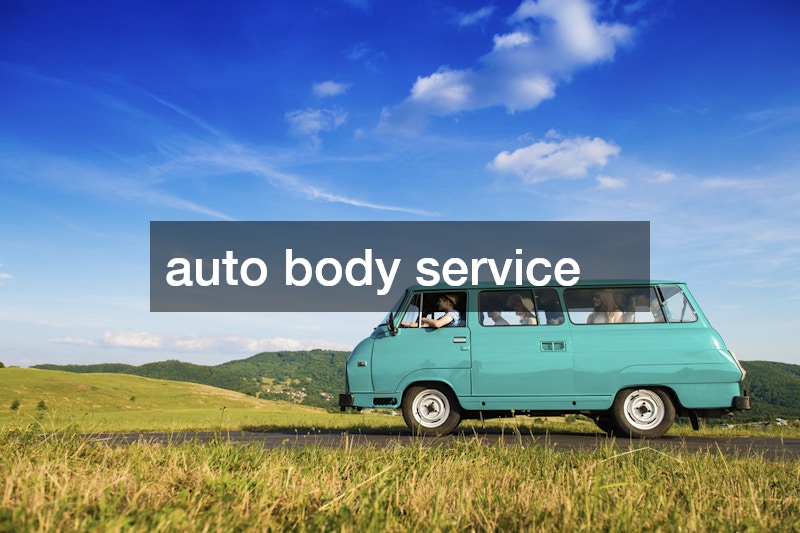
Protecting the exterior of a vehicle is about more than just keeping it looking good—it’s a critical part of maintaining its structural integrity and long-term value. The paint, clear coat, and body panels serve as the first line of defense against environmental factors such as moisture, road salt, UV rays, and debris. When these surfaces are neglected, small imperfections can quickly evolve into major issues like rust, corrosion, and peeling paint, which are far more costly to repair than preventive care. A proactive approach to exterior maintenance preserves both function and appearance, extending the life of the vehicle and maintaining its resale value.
One of the simplest and most effective steps is regular cleaning and waxing. Dirt, grime, and road salt can accumulate in hard-to-reach areas, such as wheel wells, door seams, and undercarriages. Over time, these contaminants create microabrasions and trap moisture, which accelerates corrosion. Washing a vehicle thoroughly and consistently, ideally using pH-balanced products, removes harmful substances before they have a chance to cause damage. Applying a quality wax or paint sealant after cleaning adds a protective layer that repels water and debris, further reducing the risk of rust and surface degradation.
UV protection is another essential element of exterior care. Prolonged exposure to sunlight can cause the paint to fade, the clear coat to degrade, and even plastic trim pieces to become brittle or discolored. Using specialized UV-protective coatings, ceramic sprays, or even high-quality car wax with UV inhibitors helps shield the exterior from the sun’s damaging rays. For vehicles regularly parked outdoors, this protection is especially important, as repeated exposure can lead to uneven fading and accelerated aging of the paint surface.

Addressing minor cosmetic damage early is critical to preventing larger issues. Small dents, scratches, or chips may seem purely aesthetic at first, but if left untreated, they can expose the underlying metal to moisture and oxygen, creating a starting point for rust. Professional auto body service for these minor imperfections not only restores appearance but also reinforces the structural integrity of the affected areas. Early intervention is always less expensive and less invasive than waiting for damage to spread and require major panel replacement.
Professional car detailers provide a level of care that goes beyond routine washing. Detailers specialize in deep cleaning techniques, paint correction, and protective coatings that eliminate contaminants, restore shine, and prevent oxidation. Regular detailing also addresses areas often overlooked by standard cleaning routines, such as door jambs, engine bays, and wheel wells. For owners who want to maximize their vehicle’s lifespan, scheduling periodic detailing ensures surfaces remain protected and visually appealing.
Combining these practices—consistent cleaning, protective coatings, timely cosmetic repairs, and professional detailing—creates a comprehensive approach to exterior maintenance. Not only does this protect the vehicle from environmental and mechanical stressors, but it also improves safety, as well-maintained surfaces reflect light better and prevent issues like chipped paint from interfering with visibility. A clean, well-maintained exterior signals care and attention to detail, which positively impacts resale value, reduces long-term repair costs, and helps the vehicle retain its aesthetic and functional integrity for years to come.
Additionally, this approach is equally important for recreational assets such as RVs and boats, where exterior surfaces face unique environmental stressors. For example, marine vehicles exposed to saltwater or harsh sun require specialized coatings and frequent cleaning to prevent corrosion and degradation. Applying the same principles to these vehicles—proactive cleaning, UV protection, and professional touch-ups—ensures that both cars and recreational equipment maintain durability, appearance, and value over time. By treating exterior maintenance as an essential component of routine care, owners protect their investment and enjoy both beauty and reliability in their vehicles for the long term.
Maintaining Braking and Safety Systems
Brakes are one of the most critical safety systems on any vehicle. Neglecting maintenance can result in reduced stopping power, increased wear, and serious accidents.
Key tips:
-
Schedule regular inspections: Check pads, rotors, and fluid levels at recommended intervals.
-
Monitor warning signs: Listen for squealing, grinding, or vibration during braking.
-
Combine with engine checks: Inspect engine performance simultaneously to ensure optimal safety.
Routine brake repairs prevent minor wear from escalating into expensive replacements, while preventive auto engine repair ensures that engine issues don’t affect braking performance. Integrating engine and brake maintenance reduces downtime, keeps vehicles safe, and maintains consistent driving performance.
Protecting Against Collision Damage for Larger Vehicles

Accidents are often unavoidable, but preventive measures can minimize damage and facilitate easier recovery. This is especially important for RVs and larger vehicles, which are more challenging and costly to repair.
Preventive strategies:
-
Pre-trip inspections: Check mirrors, lights, and vehicle stability before every journey.
-
Reinforce vulnerable areas: Use protective coatings and bumpers to reduce minor collision impacts.
-
Plan parking and storage: Avoid high-risk areas to limit exposure to accidents.
In the event of an incident, RV collision repair specialists can restore structural integrity and cosmetic appearance, while a trusted auto body shop ensures the repair meets quality standards. Preventive inspections and careful driving habits reduce the likelihood of collisions and make any necessary repairs more straightforward.
Maintaining Mechanical and Moving Parts
Mechanical components are the foundation of a vehicle’s performance. Neglecting preventive care leads to accelerated wear, poor fuel efficiency, and costly emergency repairs.
Maintenance strategies include:
-
Transmission and drivetrain checks: Inspect gears, belts, and linkages regularly.
-
Suspension maintenance: Monitor shocks, struts, and bushings for early signs of wear.
-
Fluid replacement: Maintain proper levels of oil, coolant, and hydraulic fluids.
Routine auto repairs for these systems, along with preventive auto engine repair, keeps vehicles operating smoothly. Detecting and addressing issues early prevents catastrophic failures and extends the lifespan of critical moving parts. Scheduling these checks during routine service visits helps maintain reliability and reduces overall repair costs.
Seasonal and Weather-Related Maintenance

Seasonal changes impact vehicle performance and longevity. Extreme temperatures, moisture, and UV exposure can damage both mechanical and cosmetic elements if left unaddressed.
Preventive measures:
-
Winterization: Drain and replace fluids, inspect batteries, and protect plumbing for RVs.
-
Summer preparation: Check cooling systems, air conditioning, and tire pressure.
-
Off-season storage: Use proper coverings, lifts, or indoor storage to reduce exposure to the elements.
Professional RV services ensure systems remain operational despite seasonal challenges. Likewise, boat lift services protect marine equipment from corrosion and water damage when the vessel is not in use. Seasonal maintenance extends the life of equipment and prevents costly environmental damage.
Electrical and Auxiliary System Checks
Modern vehicles and RVs rely on complex electrical and auxiliary systems. Preventive inspections can catch issues before they lead to larger failures.
Key actions:
-
Battery maintenance: Check charge levels, terminals, and connections.
-
Inspect wiring: Look for fraying, corrosion, or loose connections.
-
Auxiliary systems: Test HVAC, lighting, entertainment, and onboard appliances.
Routine RV services often include electrical system diagnostics, while auto body service can uncover hidden wiring damage or panel issues. Addressing these concerns proactively prevents failures that could render systems unusable or lead to costly repairs.
Interior Care and Comfort Maintenance
The interior of a vehicle is as important as its mechanical systems. Regular care enhances comfort, hygiene, and long-term resale value.
Actionable tips:
-
Professional detailing: Regular visits from car detailers clean upholstery, carpets, and vents.
-
Panel and trim inspection: A skilled auto body shop can address scratches, cracks, or loose panels before they worsen.
-
Preventive measures: Use seat covers, floor mats, and sunshades to reduce wear and UV damage.
Maintaining interiors through professional care and simple preventive measures preserves comfort and prevents minor issues from escalating into expensive repairs.
Tires, Suspension, and Road-Handling Checks
Tires and suspension systems directly affect safety and vehicle performance. Preventive maintenance ensures safe handling and reduces uneven wear.
Best practices:
-
Tire rotation and alignment: Promotes even wear and extends tire life.
-
Suspension inspections: Check shocks, struts, and bushings regularly for early wear signs.
-
Braking system integration: Ensure brake repairs are coordinated with tire and suspension checks for optimal performance.
Routine auto repairs for these systems ensure smooth handling and reliable stopping power. Ignoring these checks can result in uneven tire wear, vibration, and compromised safety on the road.
Documentation, Records, and Long-Term Planning
Keeping detailed records is a key component of preventive maintenance. Documentation allows owners to track service history and plan future interventions effectively.
Tips for effective record-keeping:
-
Maintain service logs: Track each visit for auto engine repair and other critical systems.
-
Document collision history: Useful for RV collision repair and insurance purposes.
-
Create digital reminders: Schedule future inspections, fluid changes, and seasonal maintenance.
By systematically documenting every service and repair, vehicle owners can ensure consistent preventive care. This reduces oversight, simplifies scheduling, and provides valuable proof of maintenance for resale or warranty claims.
Whether it’s boat lift services, rv services, auto repairs, auto body shop, brake repairs, auto engine repair, auto body service, rv collision repair, auto body shop, car detailers, preventive maintenance is essential for keeping vehicles and recreational assets safe, reliable, and valuable over time. Regular inspections, routine repairs, and careful seasonal planning prevent small issues from escalating into expensive problems. By combining mechanical checks, cosmetic care, and professional services, owners can extend the life of cars, RVs, and boats while maintaining optimal performance. Adopting a structured maintenance approach saves time, reduces stress, and ensures every journey is safe and enjoyable. Preventive care is an investment in both performance and peace of mind, protecting your assets for years to come.