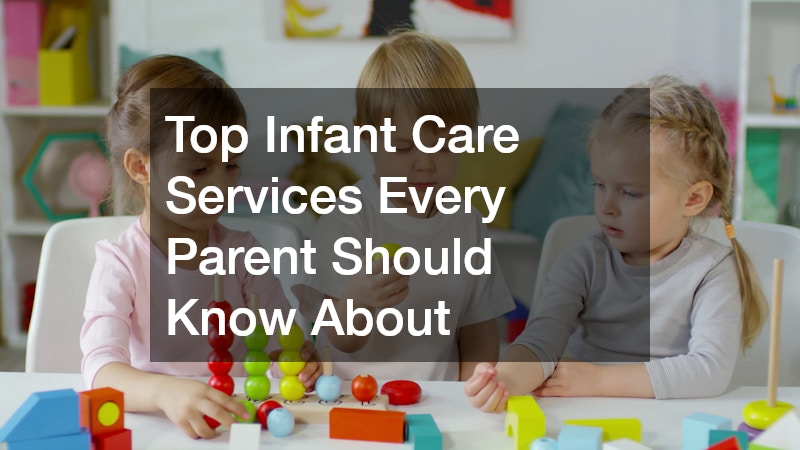
Choosing the right care for an infant can feel overwhelming. New and experienced parents alike want trustworthy options that support their baby’s health, safety, and early learning. Thankfully, a range of infant care services exists to meet diverse needs. This guide explains what quality infant care looks like, key services available, and how families can make confident decisions for their child’s early years. Understanding the differences between programs, legal considerations, and financial options can help parents feel more prepared and supported. High-quality infant care not only ensures safety but also fosters early development and learning that can benefit children for years to come.
Parents often consider long-term benefits when selecting infant care. The environment, caregivers, and type of program all play roles in shaping a child’s early experiences. Choosing the right program can influence everything from social and emotional development to cognitive growth, making early decisions critical. Families may also evaluate the program’s atmosphere, the consistency of daily routines, and how well caregivers communicate progress to parents, all of which can significantly impact satisfaction and outcomes.
Understanding the Importance of Early Care
The first few years of life are a period of rapid growth. During infancy, the brain forms more connections than at any other time, with neural pathways influencing memory, language, emotional regulation, and problem-solving. Experiences during this stage significantly shape how children learn, relate to others, and adapt to new situations. When considering early care, parents must think beyond supervision. High-quality programs deliberately promote social interaction, language development, and emotional security. These programs provide structured and unstructured activities that allow infants to explore their environment safely while developing confidence and curiosity.
Early care services also help families balance work and personal responsibilities. Whether a parent needs part-time support, full-time care, or flexible drop-in options, knowing what to look for can make all the difference. Choosing an infant care service is not just about convenience—it is a foundational step in fostering long-term child development, emotional resilience, and social competence. It is also a critical opportunity for children to begin building routines, learning consistency, and forming secure attachments with caregivers. Parents can often see the long-term impact of early care in children’s ability to adapt to preschool settings, build friendships, and explore their environment safely. Programs that incorporate early problem-solving activities and language exposure provide added benefits for infants as they grow.
What to Look for in Infant Care Services
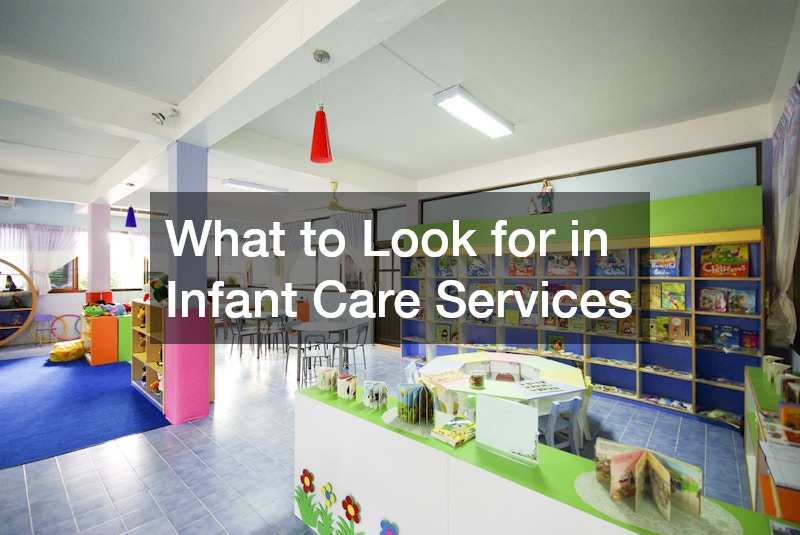
While every family’s situation is unique, there are several universal qualities that indicate strong infant care:
- Safety and clean environment: Safe spaces with age-appropriate equipment, secure exits, and hygiene standards matter most. Proper sanitation, safety gates, and well-maintained toys contribute to a secure environment. Parents should also ask about emergency preparedness, including fire drills and first aid procedures.
- Caregiver responsiveness: Infants thrive when caregivers respond promptly to cues like hunger, tiredness, or distress. Attentive staff help infants feel secure, fostering trust and positive attachment.
- Engagement and stimulation: Activities that support movement, exploration, and communication are critical. This includes supervised tummy time, interactive play, sensory experiences, and early language exposure. Infants benefit from hearing a variety of sounds, songs, and conversational language that promote early literacy skills.
- Professional training: Staff trained in early childhood development provide better support, recognize developmental milestones, and intervene early if concerns arise. Training in CPR, first aid, and child psychology is an important indicator of quality care.
Parents should also consider early education programs that bridge into later childhood. Programs such as preschool often build on skills learned during infant care, making a seamless transition for toddlers into structured learning environments. Early exposure to cognitive, social, and motor skill activities sets a strong foundation for later learning and development. Families may also consider programs that integrate physical movement, sensory exploration, and early literacy activities to strengthen multiple areas of child development simultaneously.
Daycare Centers: More Than Just Supervision
Daycare centers have long supported working families by providing structured environments for children from infancy through preschool. Modern daycare programs focus on intentional child development and overall child well-being rather than simply providing supervision.
Well-run daycare programs create daily routines that help infants build a sense of security and trust. These routines often include feeding, naps, playtime, and gentle social interaction. Caregivers use songs, books, sensory play, and interactive activities to promote early language, cognitive skills, and motor development. Structured routines also teach infants the basics of time, transitions, and consistency, supporting emotional regulation. Centers that encourage exploration, problem-solving, and self-expression provide even greater developmental benefits.
Key benefits of quality daycare include:
- Social exposure with peers in age-appropriate groups, fostering cooperation and empathy
- Structured activities that support emerging skills in language, motor development, and problem-solving
- Trained staff who understand infant needs and developmental milestones
- Regular communication with parents about daily progress and upcoming activities
Parents visiting a daycare should observe caregiver interactions, inquire about staff-to-infant ratios, and understand daily schedules. Facilities that encourage parent participation, provide updates, and emphasize developmental milestones are often more effective at supporting early learning outcomes. Some daycare centers also integrate early STEM, music, literacy, and creative activities appropriate for infants, enhancing both cognitive and social growth. Understanding these aspects enables parents to systematically compare options and select a program that aligns with their child’s developmental needs.
Home-Based Infant Care Services
For parents who prefer a more intimate setting, home-based infant care services are an excellent alternative. These services typically take place in the caregiver’s home or the family’s own residence. Home-based care offers continuity, personalized attention, and often more flexibility in hours.
Home-based caregivers may create routines that closely match a family’s schedule, ensuring consistent feeding, sleeping, and play patterns. In addition to feeding and diapering, high-quality providers include learning activities, outdoor time, and developmental monitoring. Many home-based caregivers provide detailed daily logs to parents, including activities, developmental observations, and any notable behaviors.
Despite these benefits, parents should ensure that providers follow safety standards, maintain a clean environment, and communicate effectively. Licensing requirements vary by region, so verifying credentials, references, and emergency procedures is critical. Families should also confirm that caregivers have training in infant development, first aid, and CPR to ensure the highest level of safety. Comparing home-based care options with larger daycare centers can help parents weigh the benefits of personalized attention versus broader social exposure. Regular communication with caregivers helps parents stay informed about growth, habits, and developmental progress.
The Role of Private Preschool in Early Development
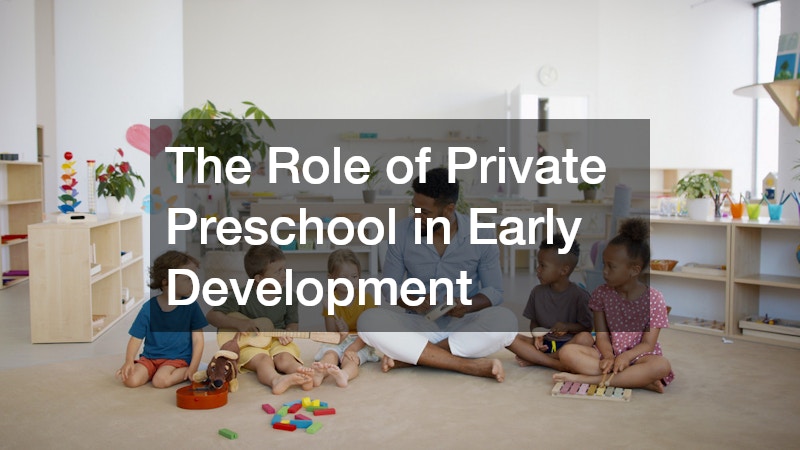
As infants grow into toddlers, families may begin planning the next step in early learning. Private preschool programs offer structured environments designed to bridge the gap between infant care and formal education. These programs combine play-based learning with guided instruction, emphasizing social, cognitive, and motor skill development.
While private preschools typically enroll children starting at age three, many offer toddler programs that prepare children for group learning settings. Parents considering private preschool should evaluate:
- Teacher qualifications and experience with early childhood education
- Classroom size, child-to-teacher ratios, and individualized attention
- Curriculum quality, including exposure to early literacy, numeracy, and science concepts
- Communication with families about progress and developmental milestones
Visiting campuses and observing classes provides insight into the environment, teaching style, and daily routines. Some private preschools offer enrichment activities, including music, art, language development, early STEM programs, and social-emotional skill-building, which enhance cognitive and creative growth. Choosing the right preschool can ensure continuity in learning, provide a stimulating environment, and align with a child’s temperament and family values. Selecting programs that encourage independent thinking, creativity, and exploration prepares children for a smooth transition into formal schooling.
Specialized Infant Care Services for Unique Needs
Some infants require additional support due to medical, sensory, or developmental concerns. Specialized infant care services provide essential interventions for these children. Services may include physical therapy, occupational therapy, speech support, feeding assistance, or sensory stimulation programs.
Families often collaborate with pediatric specialists who guide caregivers on best practices for supporting the infant’s growth and development. Early intervention programs identify challenges as soon as they are recognized, helping children achieve better long-term outcomes.
In certain circumstances, legal guidance may be necessary. A special education lawyer can help parents understand their child’s rights, advocate for appropriate services, and navigate educational systems to ensure the child receives necessary support during early learning transitions. Coordinating care among healthcare providers, early learning staff, and legal professionals ensures consistent support for the child’s overall development.
Supporting Families Through Community Connections
Raising a child is a communal effort. Many families benefit from local programs that foster social interaction, skill development, and support networks. These opportunities help children develop social skills, empathy, and confidence.
Searching for a youth group near me can provide programs for older siblings that emphasize teamwork, leadership, and community involvement. Many youth groups offer structured activities, mentoring, and social engagement opportunities that promote positive social and emotional growth.
Families may also explore a non denominational church for programs tailored to families with young children. Many of these churches provide playgroups, family workshops, parenting seminars, and community events that foster support, socialization, and personal development. Participation in these programs can create a nurturing network that enhances both family and child wellbeing. Engaging in community programs also provides families with educational, recreational, and developmental resources that complement formal care services.
Financial Considerations: Making Care Affordable
Infant care is a significant financial commitment. Fortunately, resources exist to make high-quality care more accessible. The education tax credit is one such tool, allowing parents to claim credits or deductions for daycare, infant care services, or preschool programs, depending on eligibility. These credits can substantially reduce the cost of care, making quality programs more attainable.
When planning expenses, parents should:
- Maintain detailed records of infant care services and associated costs
- Consult a tax professional to maximize eligibility for available credits
- Explore employer-provided benefits, flexible spending accounts, or local subsidy programs
- Plan long-term for upcoming educational expenses to ensure continuity of quality care
- Compare costs across different providers to understand where financial efficiencies can be achieved
Understanding financial options early allows families to make informed choices that balance quality with affordability. This approach ensures children receive consistent, high-quality care without creating unnecessary financial strain on the family.
Combining Infant Care with Family Law Needs
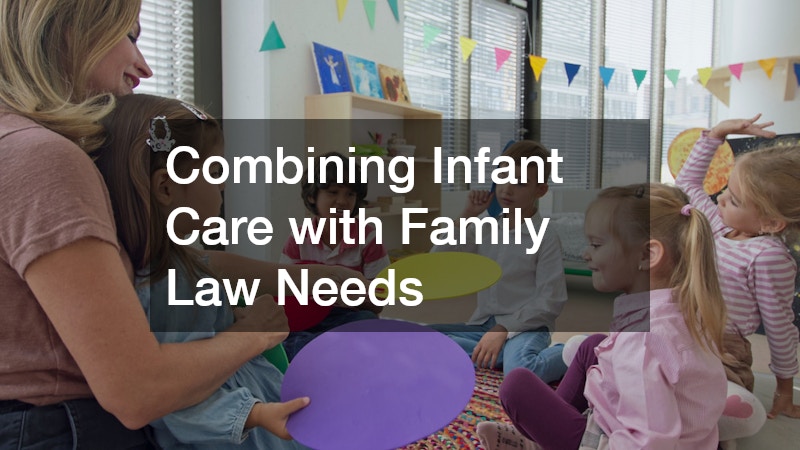
Families experiencing separation, divorce, or custody arrangements must consider how infant care fits within legal frameworks. Family law can determine shared childcare responsibilities, financial contributions, and scheduling for both parents.
Clear communication and professional guidance are essential in these situations. Attorneys and mediators specializing in family law help parents reach agreements that prioritize stability, consistency, and the child’s well-being. Written agreements regarding infant care prevent misunderstandings and ensure all caregivers understand their responsibilities, creating a more predictable and secure environment for the child. Legal guidance can also help families understand their rights to make educational and care-related decisions collaboratively.
Tips for Evaluating Infant Care Providers
Choosing infant care requires careful research and observation. Practical steps for evaluating providers include:
- Visit multiple options: Observe routines, environments, and caregiver interactions.
- Ask detailed questions: Inquire about safety, training, discipline, and daily schedules.
- Observe interactions: Watch how caregivers respond to infants’ needs and cues.
- Check references and licensing: Verify credentials and speak with other families about experiences.
- Trust instincts: Comfort with the environment, caregivers, and routines is vital.
Using a checklist ensures that parents systematically compare options and select a provider that meets both developmental and family needs. Comparing multiple services also allows families to consider how each setting supports different aspects of child development, from motor skills to emotional growth.
Preparing Your Infant for Transition
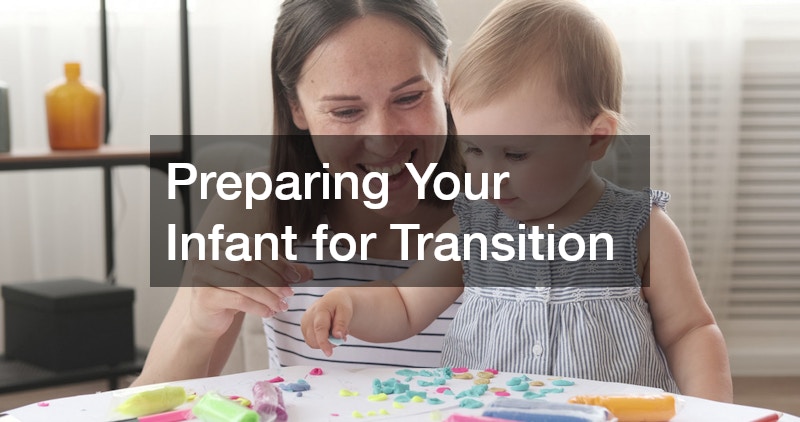
As children grow, transitions become frequent—moving from infant care to toddler programs, then to preschool. Preparing infants for change involves consistency, reassurance, and gentle exposure to new routines.
Parents can support smooth transitions by:
- Explaining what to expect using simple language
- Visiting new environments beforehand
- Maintaining familiar home routines
- Encouraging curiosity and engagement with new experiences
- Reinforcing positive associations with new settings through consistent praise
- Encouraging gradual adjustment to new environments to reduce stress
Such preparation fosters confidence, adaptability, and resilience in children as they navigate new social and learning settings. Smooth transitions also reduce anxiety, helping infants thrive in each successive program.
Investing in Early Years
Infant care services influence more than the first months of life—they shape lifelong learning, social development, and emotional well-being. By selecting high-quality care, leveraging community resources, and exploring financial tools, families can provide a nurturing environment for early development.
Whether choosing structured daycare, home-based care, or planning ahead for private preschool, families now have the guidance and resources to make informed decisions. With proper support, infants thrive, families flourish, and the early years become a time of growth, discovery, and joy. Investing in these formative years establishes a strong foundation for academic success, emotional health, and social competence throughout childhood and beyond. Families that plan thoughtfully for early care set the stage for long-term stability, learning, and personal growth.