
The modern transportation network relies heavily on the unsung heroes who keep the roads clear and motorists safe when unexpected mechanical failures or accidents occur. While millions of commuters take smooth traffic flows for granted, a dedicated cohort of professionals works around the clock behind the wheel of a heavy-duty service vehicle. A day on the job reveals a unique blend of mechanical expertise, logistics, high-stress problem solving, and genuine community service. It is a career path where no two shifts are ever identical, and where flexibility is just as critical as technical skill.
The primary tool of this trade is the specialized tow truck, a machine engineered specifically for heavy recovery and transport. Operating these units requires more than a commercial driver’s license; it demands spatial awareness, physical stamina, and unwavering safety commitment.
From early inspections to late-night recoveries, the operator must be vigilant, acting as both technician and guide.
Early Morning Checks and the First Call
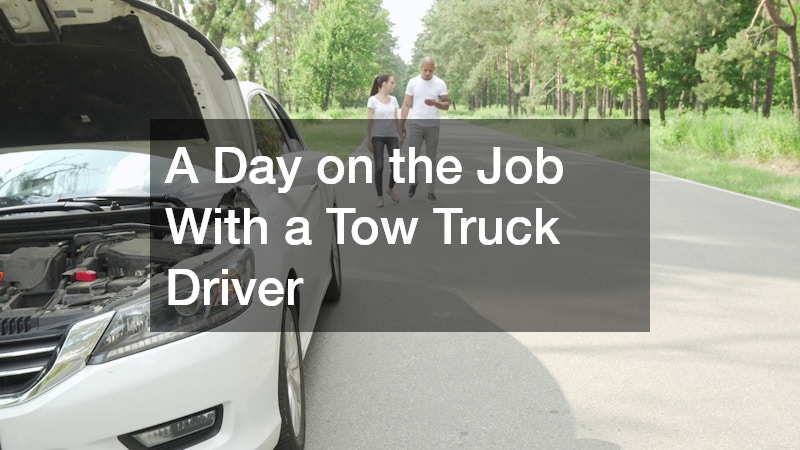
The alarm rings long before the sun rises for a professional operator, as the day begins with a meticulous pre-trip inspection emphasizing safety. They inspect hydraulic lines, winch cables, fluid levels, tire pressures, and secure all safety equipment to prevent mechanical failures during towing. Once the vehicle is prepared, the first dispatch involves a sedan breaking down on a busy road. The operator, aware of the traffic dangers, calms the motorist and efficiently loads the vehicle onto the flatbed amidst speeding traffic. No two assignments are identical in this profession.
Navigating the Midday Gridlock
As the morning progresses, the nature of the tasks shifts from simple breakdowns to more complex recovery operations. The city streets clog with delivery vans, commuters, and pedestrians, transforming simple navigation into a high-stakes puzzle. Maneuvering a heavy-duty commercial vehicle through tight alleyways and packed intersections requires immense patience and precision. The driver must constantly anticipate the erratic behavior of surrounding motorists who are often distracted or impatient.
By midday, the dispatch team sends over a more challenging request: a vehicle stuck in a tight, multi-level parking garage with a seized transmission. This scenario requires specialized equipment and deep technical expertise. Standard flatbeds cannot clear the low overhead clearance of the garage, meaning a traditional wheel-lift tow truck must be deployed. The operator must navigate the narrow ramps, position the rig perfectly, and use dollies to safely lift the disabled vehicle without causing any structural damage to the car or the facility. This is where mechanical intuition and problem-solving skills truly shine, turning a logistical nightmare into a successful recovery.
The Afternoon Rush and High-Stakes Recoveries
The afternoon brings unpredictable weather, which invariably leads to an uptick in accidents. Rain begins to slick the roads, and the dispatch frequency increases significantly. The next call is an emergency response to a multi-vehicle collision. Working alongside police officers, firefighters, and paramedics, the operator plays a crucial role in clearing the scene to restore the flow of traffic and prevent secondary accidents.
On-scene recovery during an accident requires extreme efficiency. The operator must quickly assess the damage to the vehicle, determine the safest hook-up points, and clear debris from the roadway. Every minute the lane remains blocked increases the risk of another collision. Despite the pressure from flashing lights and honking horns, the professional remains focused, executing the hook-up with practiced precision. It is a stark reminder that this job is fundamentally about public safety and keeping the community moving forward.
Evening Wrap-Up and Reflecting on the Road
As dusk falls, the frantic pace of the afternoon begins to taper off. The final calls of the shift often involve transporting vehicles to repair shops or helping drivers who have locked their keys in their cars. Each interaction provides a chance to turn someone’s stressful day around, a rewarding aspect of the job that many operators take immense pride in.
Returning to the yard, the driver completes the end-of-day paperwork, logs the mileage, and performs a final walk-around inspection of the machinery. The truck is refueled and parked, ready for whoever takes the wheel for the night shift. It has been a grueling ten-hour day filled with traffic, physical labor, and constant problem-solving, but there is a distinct sense of accomplishment in knowing the roads are safer and clearer because of today’s efforts.
As the sun sets and evening traffic dissipates, the operator ends the demanding shift by expertly backing the rig into the depot stall. Administrative and preventative tasks follow, involving thorough documentation and meticulous cleaning of equipment. Reflecting on the day’s challenges, from clearing a highway after an accident to assisting a stranded family, brings profound professional satisfaction due to the immediate impact on the community.
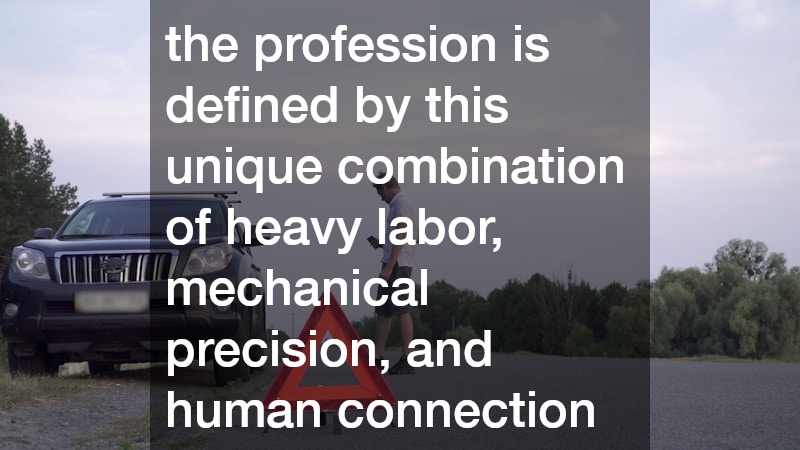
Ultimately, the profession is defined by this unique combination of heavy labor, mechanical precision, and human connection. It takes a specific type of individual to thrive in an environment where emergencies are the norm and the workspace is surrounded by fast-moving traffic. The next time you spot a tow truck operating on the side of a busy thoroughfare, you are witnessing an essential public service in action. These drivers are the silent guardians of our automotive infrastructure, ensuring that no matter what goes wrong on the road, help is always on the way to restore order and keep the world moving forward.