

In today’s hyper-connected, fast-paced world, finding a place to truly disconnect and recharge is more than just a luxury; it is an absolute necessity for our mental and physical well-being. We spend our days bombarded by notifications, navigating crowded commutes, and managing endless responsibilities. Home should be the ultimate sanctuary, the one place where the noise of the outside world simply fades away. However, for many homeowners, the backyard falls woefully short of this ideal. Instead of feeling like a personal retreat, these outdoor spaces often feel overly exposed to neighboring properties, aesthetically uninviting, or purely functional rather than deeply relaxing. When every step outside feels like you are on display for the entire neighborhood, or when the space is dominated by an overgrown lawn and a solitary, weathered folding chair, it is incredibly difficult to unwind.
The good news is that you do not need to pack your bags and travel to a remote resort to find tranquility. Transforming an exposed, ordinary yard into a deeply private, luxurious sanctuary is entirely within your reach. It is not about waving a magic wand or executing a single, massive overhaul overnight. Rather, it is a deliberate, step-by-step process of layering elements of privacy, comfort, and sensory delight. By carefully addressing how your space looks, feels, and sounds, you can fundamentally alter its atmosphere.
This comprehensive guide will walk you through the actionable, highly specific steps needed to reclaim your outdoor environment. You will learn how to strategically establish physical and visual boundaries that keep prying eyes out, how to divide your yard into purposeful zones tailored for relaxation and entertainment, and how to introduce therapeutic elements like ambient warmth and the soothing sound of water. Step by step, you will discover how to craft an environment that caters to your unique lifestyle, turning a neglected plot of land into the ultimate everyday escape.
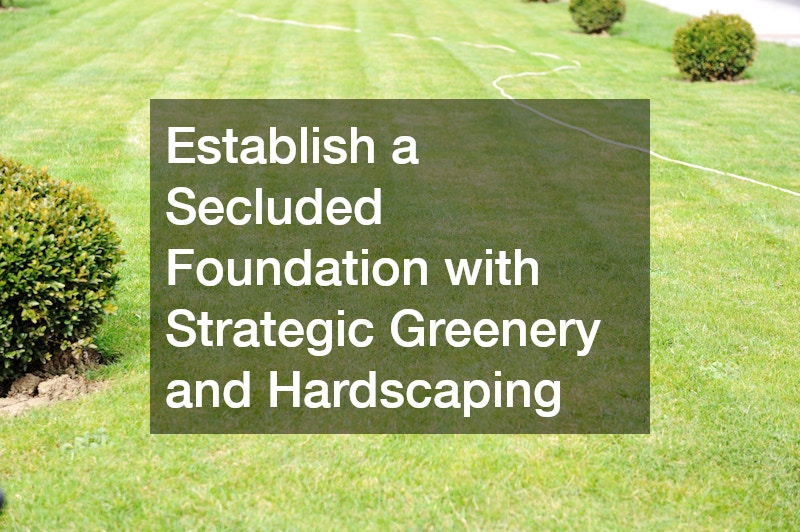
Establish a Secluded Foundation with Strategic Greenery and Hardscaping
The very first step in creating a sanctuary is establishing a sense of enclosure. Without proper boundaries, even the most beautifully decorated space will feel vulnerable and exposed. To begin, you must act as an auditor of your own property. Take a walk through your yard at different times of the day. Stand in the areas where you plan to spend the most time—where you might read a book, eat a meal, or simply sit with a cup of coffee. As you stand there, look outward. Where are the sightlines from your neighbors’ windows? Are there gaps in your existing fencing? Does a nearby street elevate pedestrians to a level where they can look down into your yard? By identifying exactly where the most intrusive sightlines originate, you can apply privacy solutions surgically, rather than spending a fortune walling off the entire property.
Once you have identified the vulnerabilities, it is time to create natural privacy screens. While tall wooden or vinyl fences are standard, they can sometimes make a yard feel like a rigid, confining box. Instead, layer in living screens to soften the perimeter and absorb ambient street noise.
-
Plant Fast-Growing Hedging: Consider planting dense, evergreen varieties like Arborvitae (specifically the Green Giant variety), Leyland Cypress, or clumping bamboo. These plants grow rapidly and create a thick, lush wall of green that provides year-round privacy. When planting, ensure you understand the mature width of the species so you space the root balls correctly; planting them too close together can stunt their growth and lead to disease.
-
Utilize Vertical Trellising: If you have a smaller yard where planting a wide hedge would eat up valuable square footage, install sturdy wooden or metal trellises. Train fast-growing climbing vines, such as Star Jasmine, Clematis, or Climbing Hydrangeas, to weave through the lattice. This creates a spectacular living wall that requires a fraction of the horizontal footprint of a traditional hedge.
-
Implement Tiered Planting: Do not rely on a single row of plants. Create depth by planting tall canopy trees in the back, medium-height flowering shrubs in the middle, and low ornamental grasses in the front. This varied height naturally distracts the eye and creates a dense, impenetrable visual barrier.
Grounding the space is just as critical as screening the perimeter. A sprawling, unkempt lawn can feel overwhelming and lacks focus. You need to anchor your primary gathering areas with solid, high-quality surfaces. Upgrading the ground surface by laying natural flagstone, installing interlocking pavers, or pouring decorative stamped concrete to create a solid patio fundamentally changes the hierarchy of the yard. It tells the eye exactly where the living space begins and ends, transforming an ambiguous grassy area into an intentional outdoor room.
However, achieving this layered, deeply textured foundation is not always a simple do-it-yourself project. If your property suffers from poor soil grading, chronic drainage issues, or if you simply lack the time to execute a complex, multi-tiered planting design, do not hesitate to seek professional assistance. Consulting with professional landscaping companies can ultimately save you a tremendous amount of time, money, and frustration. These experts understand local soil chemistry, microclimates, and hardiness zones, ensuring that the substantial investment you make in trees, shrubs, and hardscaping materials will thrive and mature beautifully for decades to come.

Curate Intimate and Functional Seating Zones for Every Occasion
Once the borders of your sanctuary are secured, the next phase is to dictate how the interior space is used. A common mistake homeowners make is treating their yard as one giant, cavernous room. To make the space feel inviting and intimate, you must apply the “outdoor room” concept. This involves dividing the yard into distinct, purposeful zones—just as you would divide the floor plan inside your house into a living room, dining room, and study.
You can visually establish these zones without building physical walls. An oversized, weather-resistant outdoor rug instantly defines a lounging area, while large, heavy planters filled with tall grasses can act as stylish, movable room dividers. Changing the direction or material of your decking or paving stones can also subtly signal a transition from one functional space to another.
When designing the alfresco eatery—the zone dedicated to sharing meals with family and friends—careful planning is required to ensure comfort and flow.
-
Prioritize Scale and Clearance: When selecting outdoor dining furniture, you must meticulously measure your available space. A massive dining table might look stunning in a showroom, but if it leaves only a few inches of clearance in your yard, guests will feel trapped when trying to pull their chairs out. Always leave a minimum of three feet of walkable space around all sides of a dining table.
-
Select Resilient Materials: Choose materials that can withstand your local climate. Powder-coated aluminum is excellent for coastal areas because it resists rust, while dense hardwoods like teak naturally repel water and insects, weathering to a beautiful silvery-gray over time if left untreated. High-density polyethylene (HDPE) resin wicker offers the classic look of rattan but will not crack or fade under intense ultraviolet light.
While the main dining and lounging areas are important, true sanctuaries often hide their best features in the quietest corners. Never ignore tight, seemingly unusable spaces, such as an awkward side yard, an elevated wooden deck, or a second-story walkout. These constraints are actually opportunities to build deeply personal, intimate nooks. By incorporating compact, cleverly designed pieces like balcony furniture, you can turn a neglected five-by-five-foot concrete slab into your favorite morning coffee retreat. A sleek metal bistro set or a modular, space-saving loveseat tucked into a corner, flanked by a few potted ferns and a small side table, creates a cozy destination for solo reading or quiet conversation.
Finally, prioritize profound, uncompromising comfort across all your seating zones. An outdoor room will remain unused if it is physically uncomfortable to inhabit. Invest in high-quality, dense foam cushions wrapped in solution-dyed acrylic fabrics (like Sunbrella) that resist fading, mold, and mildew. Layer the seating with plush throw pillows and draped outdoor blankets to replicate the coziness of your indoor living room. Most importantly, manage the sun. Install large, cantilevered umbrellas, stretch architectural shade sails overhead, or build a slatted wooden pergola to ensure these beautifully curated seating zones remain cool, shaded, and entirely usable even during the absolute hottest, most unforgiving parts of the summer day.

Extend Your Enjoyment into the Night with Warmth and Lighting
A truly functional private oasis does not close down when the sun sets; in fact, the evening is when a well-designed outdoor space should feel its most magical and restorative. To achieve this transition, you must master the art of outdoor illumination and temperature control. Harsh, glaring floodlights attached to the back of a house will instantly ruin the ambiance, making the yard feel like a high-security prison rather than a retreat. Instead, you must carefully layer your lighting.
-
Ambient Lighting: This is your foundational glow. String commercial-grade, warm-white Edison bulbs back and forth above your main seating area to create a soft, even canopy of light that mimics a starlit sky or a cozy outdoor café.
-
Task Lighting: This is functional lighting placed exactly where you need it to perform specific activities safely. Install focused, low-voltage LED lights directly above your outdoor grill station, or place subtle step-lights on the risers of your wooden stairs to prevent tripping hazards in the dark.
-
Accent Lighting: This adds drama and depth to the yard. Use small, solar-powered uplights placed at the base of your most architectural trees or privacy hedges to cast beautiful, grazing shadows upward. Submerge waterproof LED puck lights in water features to make them glow from within. The goal is to highlight the textures of your landscaping without contributing to neighborhood light pollution.
Beyond lighting, dropping evening temperatures can quickly drive you indoors if you are not prepared. Creating a fiery focal point solves this issue while simultaneously providing a primal, deeply comforting gathering spot. Installing a dedicated heat source extends the usability of your yard deep into the autumn and early spring months. Whether you choose a modern, propane-fueled fire table that ignites with the push of a button, or a traditional wood-burning backyard fireplace that offers the nostalgic crackle and scent of burning logs, safety and placement must be your top priorities. Always ensure that any open flame is situated safely away from overhanging tree branches, property lines, dry brush, and combustible structures.
To give this warming zone a distinct, VIP-lounge atmosphere, consider physically elevating the space. Building a raised platform specifically dedicated to the fire area creates a dramatic, sunken-living-room effect. Whether constructed from rich, natural cedar, low-maintenance composite decking, or poured concrete, a raised platform defines the fire zone as a premium destination within the yard. Because this involves structural engineering, load-bearing calculations, and strict adherence to fire safety codes, it is highly recommended to hire experienced local deck builders. These professionals will pull the necessary municipal permits, ensure the foundation is poured below the frost line so the structure does not heave in winter, and guarantee that the materials used are properly rated to handle radiant heat safely.
Lastly, to keep the space looking intentional and refined even when the fire is not burning, manage the elements. If you use real wood, incorporate a stylish, architectural steel firewood rack that turns stacked logs into a visual feature rather than a messy pile. Invest in heavy-duty, custom-fit, waterproof covers for your fire pit and surrounding chairs to protect them from rain and debris, ensuring the area remains tidy, dry, and immediately ready for use the moment the sun goes down.
Transform the Space with a Soothing Water Feature
Few things transform an environment quite like the introduction of water. Visually, water adds movement, reflection, and a dynamic quality that static landscaping simply cannot match. Psychologically, it taps into a deep, evolutionary human preference for environments that signify abundance and tranquility. However, in the context of creating a private backyard oasis, the most powerful aspect of water is not visual—it is auditory.
The continuous, white-noise rustle of moving water is one of the most effective tools for establishing privacy. A well-placed water feature acts as an acoustic shield, naturally capturing and masking the irritating, intrusive sounds of modern life. The roar of neighborhood traffic, the whine of a lawnmower three houses down, or the chatter of neighbors sitting on their adjoining patio can all be elegantly drowned out by the gentle, randomized bubbling of a fountain. This acoustic masking instantly tricks the brain into feeling far more secluded than physical fences alone can achieve.
For those homeowners who are ready to make a significant, transformative investment in their property, designing a full aquatic retreat is the ultimate goal. Planning a major excavation project requires meticulous foresight.
-
Zoning and Permits: Before a single shovel hits the dirt, you must navigate a labyrinth of city zoning laws, setback requirements, and utility line checks. The complexity of these regulations is exactly why vetting and hiring reputable, fully licensed swimming pool contractors is non-negotiable. Experienced professionals will handle the bureaucratic red tape, manage heavy excavation equipment without destroying your existing hardscaping, and ensure the plumbing and electrical systems meet rigorous safety codes.
-
Aesthetic Integration: A large body of water should look like a natural extension of your home’s architecture, not a plastic tub dropped onto the lawn. Discuss interior finishes (like pebble-tec or dark plaster) with your builders to give the water a deep, natural lagoon hue rather than an artificial, blindingly bright blue.
While the water itself is the main attraction, the environment immediately surrounding it is just as critical for safety and comfort. You will spend as much time lounging near the water as you will in it. Therefore, you must provide careful thought to your materials. Selecting the right materials for pool deck paving is vital. Smooth ceramic tiles might look sleek, but they become dangerously slippery when wet. Instead, opt for porous, slip-resistant materials like unpolished travertine, brushed concrete, or textured natural flagstone. Furthermore, consider the heat-reflective properties of the material; you want a surface that remains cool to the touch so you can walk barefoot comfortably even under the blazing midday sun.
Of course, a massive excavation is not financially or logistically feasible for every homeowner. Fortunately, you do not need thousands of gallons of water to reap the auditory and psychological benefits. Budget-friendly, smaller-scale alternatives can be just as impactful if placed strategically. A standalone, recirculating bubbling urn placed near your outdoor dining table offers a beautiful focal point and soothing white noise. A wall-mounted spillway fountain attached to a privacy fence requires virtually no footprint while adding the dramatic sound of falling water. Alternatively, digging a small, DIY koi pond lined with natural river rock and aquatic plants can introduce an entire micro-ecosystem of frogs, dragonflies, and fish to your yard, providing endless hours of meditative, nature-focused relaxation.
Integrate Therapeutic Elements and Establish a Care Routine
To truly elevate your backyard from a visually pleasing garden to a holistic wellness retreat, you must introduce elements specifically designed for physical recovery and mental decompression. A dedicated hydrotherapy corner offers profound benefits, providing a private space to soothe aching muscles, improve circulation, and melt away the chronic stress accumulated during the workday.
When designing this spa area, location is everything. You want this space to be the most secluded, protected part of your entire yard.
-
Foundation and Power: Selecting a reinforced, perfectly level corner of the yard is critical for a successful hot tub installation. These units are incredibly heavy when filled with water and occupants, requiring a heavy-duty poured concrete pad or a specifically engineered decking structure to prevent sinking or structural failure. Additionally, you must factor in the need for a dedicated 220v electrical circuit. Running heavy-gauge conduit underground from your home’s main electrical panel to the spa site requires a licensed electrician to ensure it is up to code and completely waterproofed.
-
Ensuring Absolute Discretion: Because you will likely be using this hydrotherapy area in bathing suits—or less—visual privacy is paramount. Existing fences might block ground-level views, but they do nothing to stop neighbors looking down from second-story windows. To solve this, build a sturdy wooden pergola directly over the spa and train thick climbing vines to create a living canopy. Alternatively, install slatted privacy screens or louvered walls around the immediate perimeter of the spa. These allow evening breezes to flow through while completely obscuring the line of sight from above, ensuring total, uncompromised comfort while you soak.
However, a relaxing space is only relaxing if it functions flawlessly. The quickest way to ruin the atmosphere of your private sanctuary is to step outside and find cloudy, algae-filled water or malfunctioning equipment. Therefore, you must fiercely protect your oasis by committing to its upkeep. Stress the importance of establishing a strict, non-negotiable weekly schedule for pool maintenance and spa care. This routine should include skimming debris, emptying filter baskets, testing and balancing chemical alkalinity, and brushing the walls to prevent scaling. If manual labor detracts from your relaxation, heavily invest in automation. Modern robotic vacuum cleaners, automatic chemical dosing systems, and saltwater chlorinators can handle the vast majority of the daily upkeep, allowing you to spend your time enjoying the water rather than constantly working on it.
Finally, focus on seamless visual integration. A massive, acrylic spa shell can look jarring and industrial if simply dropped into a natural landscape. Soften the harsh lines of the equipment by wrapping the base in custom wooden cabinetry that matches your decking. Surround the area with lush, oversized potted ferns and broad-leaf tropical plants to blur the edges between the machinery and nature. Incorporate functional, beautiful elements like cedar towel-storage benches that double as extra seating, and install discreet, weatherproof outdoor speakers hidden among the plants to pipe in calming, ambient music. By blending the equipment into the natural environment, the hydrotherapy zone becomes an organic, deeply integrated part of your personal escape.
Conclusion
Transforming an exposed, uninspired backyard into a deeply private, luxurious sanctuary is one of the most rewarding investments you can make in your home and your overall well-being. As we have explored, achieving this is not about a single, dramatic change, but rather the thoughtful layering of distinct elements. By deliberately establishing physical and visual boundaries with lush greenery, you create the necessary enclosure. By designing purposeful, comfortable seating zones, you dictate how the space is lived in. And by introducing sensory details like ambient lighting, cozy fire features, and the masking sounds of moving water, you elevate the yard from a patch of grass into a true therapeutic retreat.
It is important to remember that cultivating this environment is rarely a quick weekend project. It is an ongoing, evolving process that should grow and adapt alongside your lifestyle, aesthetic preferences, and budget. Take your time, tackle one zone or one feature at a time, and enjoy the incremental improvements to your daily life.
Your personal sanctuary awaits, right outside your back door. We would love to hear about your journey toward a more peaceful home. Please share which specific upgrade or feature you plan to tackle first in the comment section below!