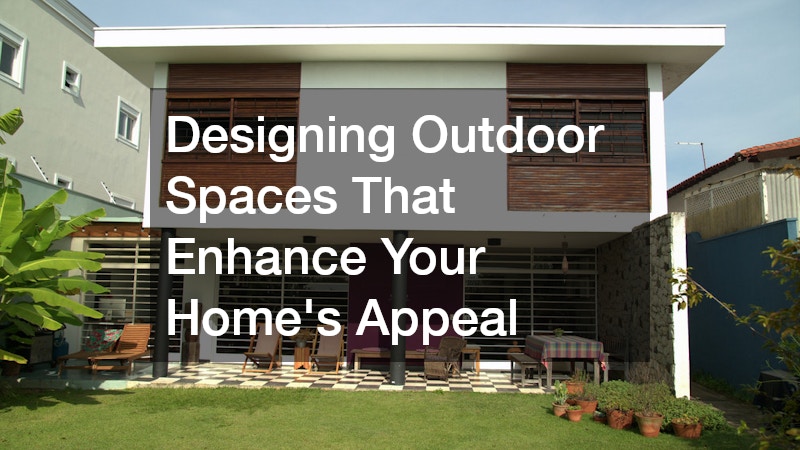

A well-designed outdoor space does more than look attractive from the curb; it becomes an extension of your daily life, a place to unwind, entertain, and even boost your home’s resale value. Yet many homeowners feel overwhelmed trying to figure out where to start, what materials will hold up over time, and which upgrades are actually worth the investment. This guide walks through practical, real-world considerations for transforming your yard, patio, and driveway into spaces that work as hard as they look good. Whether you are starting from a blank slate or refreshing a tired backyard, these ideas will help you make choices you will not regret.
Assessing Your Outdoor Space Before You Begin
Before buying a single plant or paver, spend time simply observing how your outdoor space is used and where it falls short. Walk the yard at different times of day over a week or two, taking note of which areas get full sun, which stay shaded, and where water tends to pool after rain. Even small details matter here; a spot that floods for an hour after a storm may need drainage work before it can host a patio or garden bed.
Think about how your family actually spends time outside, whether that means grilling, gardening, or letting kids and pets run around. Consider traffic patterns too: where do people naturally walk from the door to the driveway, and does the current layout support or fight against that flow? If you entertain often, think about how many guests you typically host and whether there’s enough flat, usable space for seating and movement.
It also helps to jot down practical constraints like the direction your yard faces, existing utility lines, and any local regulations on fences, decks, or sheds. A little observation upfront, backed by a simple sketch or a few photos taken from different angles, prevents costly redesigns later.
It also helps to sketch a rough layout, even if it is just on paper or a simple app like SketchUp, marking existing structures like fences, trees, utility lines, and drainage paths. Try to work roughly to scale, using a tape measure to note distances between key points, since even a basic 1 inch to 4 feet ratio can prevent costly surprises later. This map becomes your reference point as you start layering in new features, from seating areas to walkways to garden beds.
As you sketch, consider sun exposure throughout the day, prevailing wind direction, and how water drains after heavy rain, since these factors often dictate where certain features will actually thrive. Marking which areas get full sun versus shade can save you from planting the wrong greenery or placing a patio where it will bake in the afternoon heat.
Homeowners who skip this step often end up with disjointed spaces that do not flow logically from one zone to the next, such as a fire pit placed too close to a fence or a walkway that dead-ends into a flower bed. Taking the time to map things out upfront, even imperfectly, makes it far easier to spot these conflicts before they become expensive mistakes.
Choosing Durable Flooring for Patios and Walkways
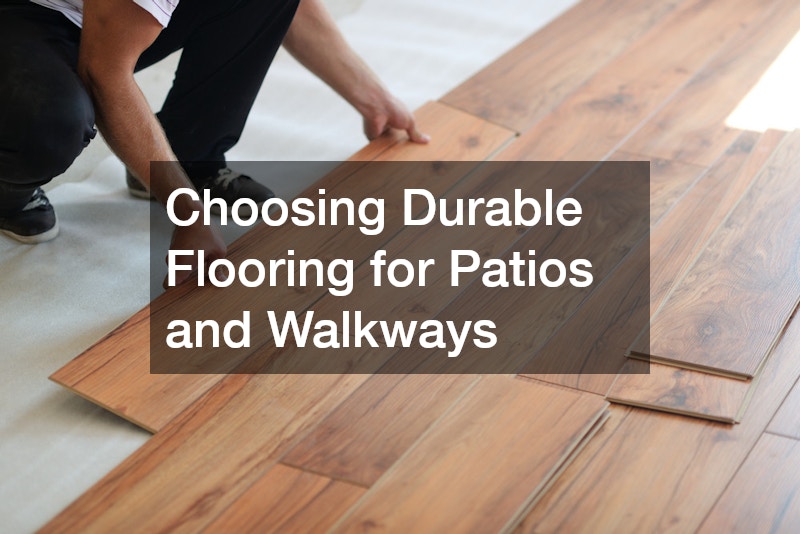
The surface underfoot sets the tone for your entire outdoor area, so it pays to choose materials that balance style with long-term durability. Many homeowners are surprised to learn that luxury vinyl plank installation, once reserved for interior floors, is now being adapted for covered porches and enclosed outdoor living rooms because it resists moisture and mimics natural wood at a fraction of the cost. This option works especially well in three-season rooms or covered patios where you want warmth underfoot without the maintenance of real hardwood.
For fully exposed patios and walkways, natural stone pavers, brick, and stamped concrete remain popular choices because they withstand direct sun, rain, and freeze-thaw cycles without warping. Porcelain pavers have also gained traction in recent years, offering the look of marble or wood at a much lower maintenance cost and resisting stains, fading, and moss growth better than traditional concrete.
When comparing options, weigh factors like slip resistance, drainage, and local climate. Textured finishes are essential in regions with heavy rainfall, while lighter-colored materials help reduce surface heat in warmer climates. Budget also matters: gravel and concrete tend to be the most affordable, while natural stone and premium composite decking sit at the higher end but often add more resale value.
Ultimately, the best flooring choice depends on how the space will be used. A high-traffic walkway near an entryway benefits from slip-resistant, easy-to-clean materials, while a secluded reading nook might prioritize comfort and aesthetics over heavy-duty performance.
On the other hand, if you already have a concrete patio or walkway that has started to sink, heave, or crack unevenly, that is a separate problem worth addressing before adding any new flooring on top. Common culprits include poor soil compaction during the original pour, erosion beneath the slab, or tree roots shifting the ground over time. Ignoring these warning signs and simply covering them with pavers or tile will only mask the issue temporarily while the underlying instability continues to worsen.
A reputable mudjacking company can lift and stabilize settled concrete slabs by pumping a leveling material—typically a limestone slurry or polyurethane foam—underneath the existing surface to fill voids and restore it to its original position. This process usually takes just a few hours per slab and can often be completed in a single day, compared to the week or more needed for full demolition and repouring. It’s also considerably less expensive, frequently costing 30 to 50 percent less than tearing out and replacing the entire surface.
Beyond cost savings, mudjacking preserves the existing concrete’s cure strength, since older slabs are often more durable than freshly poured ones. Fixing this foundational issue first ensures whatever finish you choose later, whether it’s stamped concrete, pavers, or natural stone, will sit level, drain properly, and last for years without premature cracking.
Building a Backyard Greenhouse for Year Round Gardening
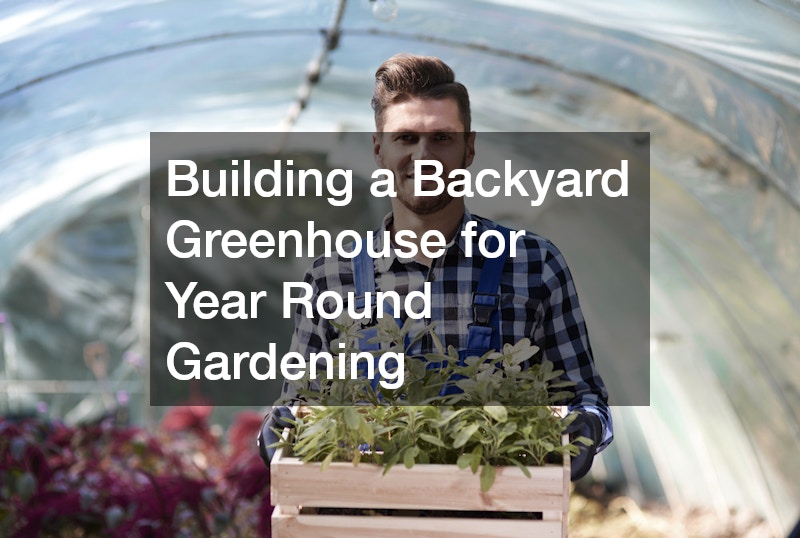
For homeowners who love gardening but are tired of losing plants to frost, adding one of the many available greenhouses to a backyard corner can extend the growing season dramatically. Modern kits range from small lean-to structures attached to a garage wall to freestanding glass or polycarbonate buildings large enough to grow vegetables through the winter. Beyond the practical growing benefits, a well-placed greenhouse adds visual interest and can become a charming focal point in an otherwise ordinary yard.
- Choose a spot with at least six hours of direct sunlight for optimal plant growth
- Consider ventilation options to prevent overheating in summer months
- Check local permit requirements before installing a permanent structure
- Look for double-wall polycarbonate panels for better insulation in colder climates
Enhancing Safety and Peace of Mind Outdoors
A beautiful outdoor space loses its appeal quickly if you do not feel safe enjoying it, especially in the evenings or when traveling. Motion-activated lighting, secure fencing, and well-placed cameras are all reasonable first steps, but for larger properties or neighborhoods dealing with recent break-ins, some homeowners choose to hire patrol services to provide periodic checks and a visible deterrent. This is particularly common for properties with pools, detached workshops, or extensive landscaping investments that owners want protected during off hours.
Even without a dedicated patrol arrangement, thinking through sightlines and lighting placement during the design phase makes a noticeable difference. Avoid dense shrubbery directly next to entry points, and make sure pathways are lit well enough to see clearly at night. These small adjustments contribute to both safety and a more polished overall appearance.
Designing a Low Impact Walking Path for Joint Health

Outdoor design is not just about aesthetics; it can also support your physical wellbeing, particularly if you or a family member deals with mobility challenges. A gently curved walking path made of packed gravel, rubber pavers, or smooth stone offers a softer, more forgiving surface than concrete for anyone managing hip pain or arthritis. Adding gentle slopes instead of steps where possible also reduces strain on joints during daily walks around the garden.
Handrails along steeper sections and benches placed at regular intervals give walkers a chance to rest without cutting a stroll short. These features are easy to overlook during initial planning but make an enormous difference for older family members or anyone recovering from an injury. A path designed with comfort in mind tends to get used far more often than one designed purely for looks.
Creating a Personal Wellness Retreat in Your Backyard
More homeowners are carving out a quiet corner of the yard specifically for relaxation and self-care, treating it as an extension of their personal wellness routine. Some incorporate a shaded lounge area for recovery time after treatments like coolsculpting, since gentle movement and fresh air are often recommended during the healing process. A comfortable outdoor daybed, soft lighting, and a privacy screen can turn an unused corner into a genuine retreat.
Others add a small outdoor vanity or mirror station near a covered patio, useful for everything from morning skincare routines to touching up hair extensions before heading out for the day. Pairing this kind of setup with a weatherproof cabinet keeps supplies organized and protected from the elements. The key is choosing furnishings that can handle humidity and temperature swings without deteriorating quickly.
Designing a Functional Space for Car Enthusiasts
If your household includes a car enthusiast, the driveway or side yard can be designed to double as a showcase and workspace rather than an afterthought. A widened, well-drained parking pad with proper lighting turns a plain driveway into something closer to a small BMW shop setup at home, complete with room to detail a vehicle on weekends. Adding a covered carport section also protects paint finishes from sun damage and reduces wear over time.
For owners who handle their own basic maintenance, a nearby storage shed stocked with tools and fluids saves repeated trips to a mercedes benz repair facility for minor issues like fluid top-offs or tire checks. Just be sure any work area includes proper drainage and ventilation, since spilled fluids and fumes need somewhere safe to go. Thoughtful placement keeps this functional zone from clashing visually with the rest of the landscaped yard.
Prepping the Ground with Professional Support
 Many exciting backyard features, from pergolas to fire pits to greenhouse foundations, require solid ground preparation that goes beyond what a typical homeowner can do with hand tools. When a project calls for anchoring posts into existing concrete or rock, professional core drilling services can create precise, clean openings without cracking surrounding material. This kind of precision work is especially important for structural elements that need to bear weight or withstand years of weather exposure.
- Core drilling is often necessary for installing deck footings through existing patios
- It allows utility lines to be run underground without disturbing large areas
- Clean drilled holes reduce the risk of cracking during freeze-thaw cycles
- Professionals can identify rebar or wiring before drilling begins, preventing damage
Landscaping Elements That Boost Curb Appeal
Plant choices and hardscaping materials work together to create a cohesive first impression, so it is worth being intentional about color, texture, and seasonal interest. Layering plants by height, from low ground cover to mid-size shrubs to taller trees, creates depth that flat, single-row plantings cannot achieve. Repeating a few key colors or plant varieties throughout the yard also gives the space a more intentional, designed feel rather than a scattered one.
Mulched beds, defined borders, and consistent edging tie everything together and make maintenance easier over the long run. Native plants are worth prioritizing since they typically require less water and are naturally suited to local pests and weather patterns. A cohesive landscape plan does not need to be elaborate to make a strong impression on visitors and potential buyers alike.
Lighting and Final Touches That Tie Everything Together
Once the major structural and planting decisions are made, lighting is what makes an outdoor space feel finished and usable after sunset. Layering ambient, task, and accent lighting gives you flexibility for different occasions, from quiet evenings alone to larger gatherings with friends. Solar-powered path lights are a low-maintenance option, while wired fixtures offer more consistent brightness for areas used frequently at night.
- Use warm-toned bulbs for a cozy, inviting atmosphere
- Highlight architectural features or specimen trees with uplighting
- Install dimmers where possible for adjustable ambiance
- Keep wiring professionally installed and weatherproofed for safety
Designing outdoor spaces that genuinely enhance your home’s appeal comes down to thoughtful planning, durable materials, and features that match how you actually live. Start small if needed, tackling foundational issues like uneven flooring or safety concerns before layering in the finishing touches that reflect your personal style. Every improvement, from a simple lighting upgrade to a full landscape overhaul, adds lasting value and enjoyment to your home. Take the next step by prioritizing one or two projects from this list and building outward from there.