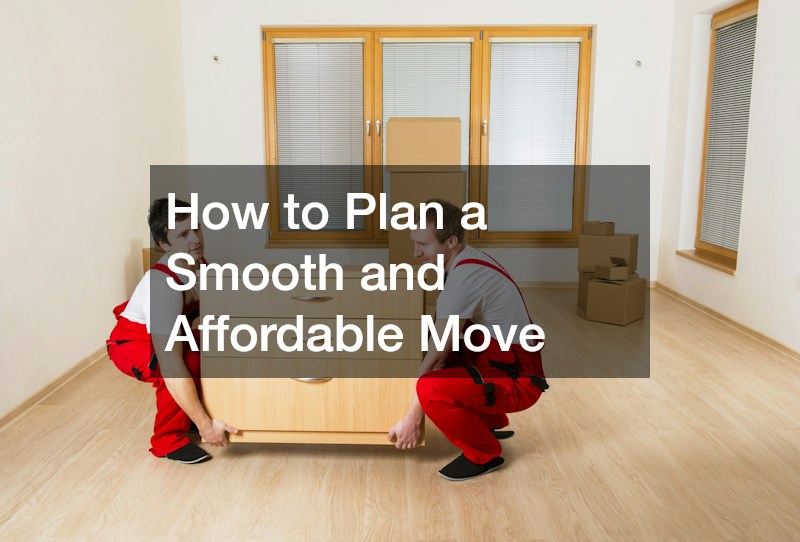

Moving can be exciting, but it can also become expensive and stressful when too many decisions are left until the last minute. Packing, scheduling, transportation, cleaning, storage, utility changes, and property access all have to come together within a relatively short period of time. Without a plan, small complications can quickly turn into delays, added costs, or damaged belongings.
The easiest way to make a move more manageable is to break it into stages. Start with a realistic budget and timeline. Decide what you actually need to take with you. Determine which tasks you can handle yourself and which are better left to professionals. Then organize the logistics of moving day well before the truck arrives.
Every move is different. A family relocating from a large house may have very different needs from someone leaving a one-bedroom apartment. Distance, stairs, parking, building rules, work schedules, and the amount of furniture involved can all affect the process.
Planning ahead gives you more control over both cost and stress. The following steps can help you build a moving plan that is practical, organized, and easier to keep within budget.
Build a Complete Budget Before You Start Booking Services

One of the biggest mistakes people make is budgeting only for transportation. The truck and labor may be major expenses, but they are rarely the only ones.
Before contacting providers, create a list of every expense you may encounter. This makes it easier to compare quotes and reduces the chance of being surprised by charges later.
Your budget may need to include:
- Transportation
- Labor
- Packing materials
- Storage
- Cleaning supplies
- Utility setup fees
- Travel expenses
- Insurance or valuation coverage
- Disposal costs
- Pet or childcare expenses
- Temporary lodging
- Elevator or parking fees
Once you understand the full picture, start requesting written estimates. Comparing several providers can help you understand what a typical price looks like in your area.
The best moving companies should be evaluated on more than the number at the bottom of the quote. Review exactly what is included and whether extra charges can apply for stairs, long carries, oversized furniture, waiting time, packing supplies, or scheduling changes.
Ask each provider questions such as:
- Is the estimate binding or subject to change?
- Are travel charges included?
- Is there a minimum number of hours?
- Are weekend rates different?
- What happens if the move takes longer than expected?
- Are furniture pads and basic equipment included?
- What type of damage coverage is provided?
If you are specifically trying to keep costs down, affordable movers can be a good option, but low pricing should still come with clear policies and professional service. An unusually cheap estimate may not be a bargain if important fees are added later.
Timing can also influence cost. Weekends, summer months, and the end or beginning of the month are often popular moving periods. If your schedule is flexible, moving on a weekday or during a slower part of the month may give you more options.
Finally, leave some room in your budget for the unexpected. A small contingency fund can cover extra packing supplies, last-minute storage, additional labor, or another cost you did not anticipate.
Decide Which Tasks Are Worth Doing Yourself
Hiring professionals does not have to mean handing over every part of the move.
One of the best ways to control costs is to decide which tasks are worth paying for and which you can realistically handle yourself.
A moving company may offer everything from transportation and loading to furniture disassembly, storage, packing, and setup at the new home. That does not mean you need every option.
Start by evaluating your own situation.
Consider:
- How large is the home?
- How much furniture do you have?
- Are there multiple flights of stairs?
- Do you have large or delicate items?
- Are you moving nearby or several hours away?
- Do you have time to pack gradually?
- Can you safely lift heavy furniture?
- Will children or pets make moving day harder to manage?
If you have plenty of time, packing your own boxes may save money. If your schedule is packed or your home contains many fragile items, professional help may be worth the added cost.
Moving services can often be customized. You may choose to pack your own belongings while paying professionals to handle loading and transportation. Or you might move smaller boxes yourself and hire help only for furniture and heavy items.
It is also helpful to think about what will cost you the most in time and energy. Saving a few dollars may not be worthwhile if it requires taking multiple days off work or risking an injury.
When reviewing a proposal, make sure you understand exactly where professional responsibility begins and ends.
For example, ask whether the crew will:
- Disassemble beds
- Reassemble furniture
- Disconnect appliances
- Carry boxes from storage areas
- Protect floors and doorways
- Move items from garages or sheds
- Handle televisions or artwork
- Remove packing materials afterward
Confirming these details early helps prevent disagreements on moving day.
The goal is not necessarily to do as much as possible yourself. The goal is to spend money where professional help provides the most value.
Declutter Before Packing So You Pay to Move Less

The simplest way to make a move cheaper is to move fewer things.
Every item you take requires time, packing material, truck space, and labor. That means decluttering can directly reduce moving costs while also making unpacking easier.
Start with areas where unused belongings tend to accumulate:
- Basements
- Garages
- Attics
- Closets
- Storage rooms
- Kitchen cabinets
- Children’s rooms
Sort belongings into clear categories:
- Keep
- Donate
- Sell
- Recycle
- Discard
Try to avoid creating a large “maybe” pile. If you have not used something for years and cannot clearly picture where it will go in the new home, moving it may not be worth the effort.
Start early enough that you have time to sell useful items rather than throwing them away. Furniture, tools, electronics, and household goods may bring in extra money that can offset moving expenses.
For households with little time to pack, packing and unpacking services can be especially useful. Professionals can often pack a home much faster because they already have the right materials and a repeatable process.
This may be worth considering if you have:
- A short moving timeline
- A large home
- Extensive glassware
- Artwork
- Antiques
- Many books
- Difficult work schedules
If you are packing yourself, use sturdy boxes and label everything clearly.
Good packing habits include:
- Using smaller boxes for books and other heavy items
- Placing lighter belongings in larger boxes
- Labeling every box by room
- Marking fragile boxes on several sides
- Keeping screws and furniture hardware in labeled bags
- Avoiding boxes that are so heavy they are difficult to lift
Major cleanouts sometimes create more waste than standard household trash pickup can handle. Dumpster rental companies may be useful if you are clearing an attic, basement, garage, or heavily furnished property.
Before renting one, confirm acceptable materials, weight limits, placement requirements, and pickup timing.
Decluttering before requesting a final estimate can also improve pricing accuracy because the provider can better judge how much space and labor the move will actually require.
Prepare for the Specific Challenges of Your Property
The type of home you are leaving and the type of property you are moving into can have a major impact on the logistics.
A house move often involves garages, basements, outdoor furniture, tools, and larger pieces that may require more loading time. Residential movers should be told about these conditions before the move so the crew can arrive with appropriate equipment and staffing.
Provide accurate information about:
- Number of floors
- Narrow stairs
- Long driveways
- Large appliances
- Heavy furniture
- Outdoor equipment
- Garage contents
- Limited truck access
Measure large furniture before moving day. A sofa that barely fit through the front door when it was purchased may be difficult to remove once other furniture is in the way.
Apartments and condominiums often involve a completely different set of restrictions.
You may need to coordinate:
- Elevator reservations
- Loading docks
- Street parking
- Building access
- Move-in and move-out hours
- Certificates of insurance
- Protective coverings for shared areas
- Property management approval
An apartment mover service may be particularly helpful when a building has strict rules or limited access.
Contact the property manager early rather than waiting until the week of the move. Some buildings require elevator reservations several weeks in advance, especially in larger complexes.
Parking is another issue that can create expensive delays. If a truck cannot park close to the building, crews may have to carry belongings much farther than expected.
Ask whether temporary parking permits are needed and whether loading zones are available at both locations.
You should also plan around children and pets. Moving day can involve open doors, unfamiliar people, noise, and heavy equipment.
Whenever possible, arrange for children or pets to stay with a trusted friend or relative during the busiest part of the move.
Taking these steps in advance keeps the crew moving efficiently and helps prevent small logistical problems from consuming paid labor time.
Organize Moving Day Before the Truck Arrives
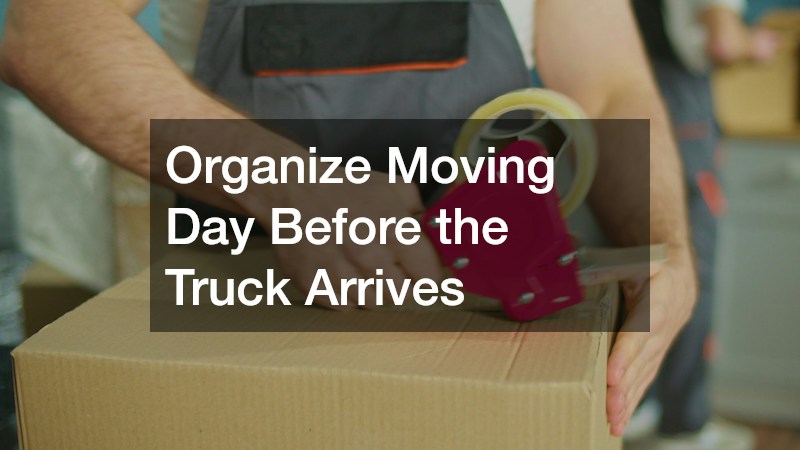
The most expensive moving-day delays often happen because the home is not ready when the crew arrives.
By that point, nearly every box should be packed, labeled, and positioned for efficient loading. Furniture that needs special preparation should also be identified in advance.
Confirm the schedule several days beforehand.
Double-check:
- Arrival time
- Pickup address
- Destination address
- Contact numbers
- Parking arrangements
- Elevator reservations
- Access instructions
- Estimated crew size
Using local movers can sometimes simplify logistics because providers may already understand neighborhood traffic patterns, narrow streets, parking restrictions, and common building requirements.
Even so, do not assume the crew knows everything about your specific property. Provide clear instructions.
When the mover arrives, walk through the home before loading starts. Point out fragile furniture, items that are staying behind, pieces that require disassembly, and anything that needs special handling.
Keep essential belongings with you instead of placing them on the truck.
Your essentials bag should include:
- Medications
- Identification
- Wallet and keys
- Important documents
- Chargers
- Basic toiletries
- Change of clothes
- Snacks and water
- Child or pet necessities
- Basic cleaning supplies
It is also wise to photograph valuable furniture, electronics, and fragile items before they are moved. These photos provide a record of their condition.
At the new home, use clear room labels so boxes can be placed correctly from the start.
You might label rooms numerically or by color. For example, every box marked “Bedroom 2” can go directly to the correct location instead of being piled in a central room.
Before leaving the old property, complete a final walkthrough.
Check:
- Closets
- Cabinets
- Basement
- Attic
- Garage
- Shed
- Refrigerator
- Dishwasher
- Laundry area
- Outdoor spaces
It is surprisingly easy to leave behind tools, chargers, cleaning products, clothing, or stored items.
A few minutes spent on a final inspection can save an unnecessary return trip later.
Make the Move Easier by Planning One Step at a Time

A successful move is less about doing everything perfectly and more about making important decisions early enough to avoid rushed choices.
Begin by creating a realistic timeline and budget. Reduce the number of belongings you plan to take, and compare quotes carefully before committing to professional help. Decide which tasks are worth handling yourself and which ones are safer or more efficient to delegate.
Prepare both properties for moving day by confirming parking, access, building rules, and room layouts. Complete as much packing as possible before help arrives so paid time is spent transporting belongings rather than waiting for last-minute preparation.
Keep important documents, medications, valuables, and daily necessities separate from everything being transported. These are the items you do not want buried in a stack of boxes at the end of a long day.
Most importantly, treat the move as a sequence of smaller projects rather than one enormous task. Budgeting, sorting, packing, scheduling, loading, and settling in are all more manageable when handled separately.
With enough preparation, a move can be more organized, less stressful, and much easier to keep within your planned budget.