Another collapsed overpass, another building facade crumbling onto a sidewalk, another highway worker struck by heavy equipment gone wrong. If you have found yourself wincing at the news and wondering whether these failures are becoming more common or if we are simply paying closer attention, you are not alone. Understanding why these incidents happen, and what factors make them so persistent, can help you protect yourself, your family, and your property. This article breaks down the real causes behind road and building safety failures and what you can do when one affects you.
Aging Infrastructure Across the Country
Much of the road and building infrastructure in the United States was built decades ago, often with materials and standards that do not meet today’s demands. Bridges, overpasses, and municipal buildings were designed with expected lifespans, and many have quietly outlived them without receiving the renovations they need. Budget shortfalls at the state and local level often mean inspections get delayed or repairs get deferred year after year.
The result is a slow accumulation of risk that eventually becomes visible in the form of a headline. Concrete spalling, rusted rebar, and weakened support beams do not fail overnight, but they do fail eventually if nothing changes. The public rarely sees the warning signs until something gives way.
Construction Shortcuts and Material Failures
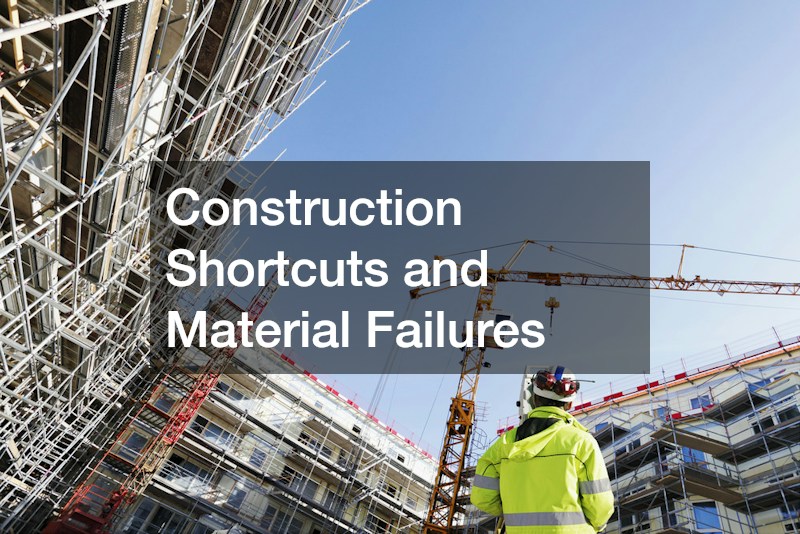
Not every failure traces back to old age. Some of the most alarming stories involve newer structures where corners were cut during construction to save time or money. Substandard materials, skipped inspections, and rushed timelines can all combine to create a structure that looks sound but is quietly compromised from the start.
Structural steel components play a critical role in holding commercial buildings together, and when they are installed incorrectly or sourced from unreliable suppliers, the consequences can be severe. Bar joists, the lightweight steel trusses that support roofs and floors in many commercial and industrial buildings, are a common point of failure when load calculations are wrong or welding is done improperly. Because these components are hidden above ceilings or below floors, problems can go unnoticed until weight, weather, or time pushes them past their limit.
Heavy Equipment and Road Construction Hazards
Road work zones are some of the most dangerous places in daily life, both for the crews working there and the drivers passing through. Heavy machinery operates in tight quarters alongside live traffic, and even small errors in judgment or equipment maintenance can lead to serious accidents. Poor signage, inadequate lighting, and fatigued operators all add to the risk.
Among the equipment involved in these incidents, a grader blade is often a surprising culprit. This wide, flat attachment is used to level soil and pavement during road construction, and when it is not properly secured or operated, it can strike vehicles, workers, or bystanders with little warning. Regular equipment maintenance checks and stricter site protocols can reduce these incidents, but they still occur more often than most drivers realize.
Inspection and Regulatory Gaps
Building and road safety depend heavily on a patchwork of inspection agencies, many of which are underfunded and understaffed. In some jurisdictions, a single inspector may be responsible for reviewing dozens of structures or miles of roadway in a given year, leaving little time for the kind of thorough assessment that catches small problems before they become disasters. The gaps aren’t just about headcount. Inspection schedules are often set by outdated statutes that call for reviews every two, five, or even ten years, regardless of how a structure is actually aging or how much traffic it absorbs in the meantime. A bridge rated “fair” at its last inspection can quietly deteriorate for years before anyone is required to look at it again. Jurisdictional overlap compounds the problem. A single roadway might fall under municipal, state, and federal oversight simultaneously, with each agency assuming another is tracking maintenance records or follow-up repairs. When a complaint or warning sign does surface, it can get lost in the handoff between departments that don’t share data systems or accountability structures. Private contractors add another layer of risk. Self-reported inspections, abbreviated checklists, and conflicts of interest between builders and the inspectors they hire can all weaken the reliability of a sign-off, even when it technically satisfies the letter of the law.
Regulations also vary significantly from state to state, and even county to county, which means a building or road that would fail inspection in one jurisdiction might pass in another without issue. Some municipalities still rely on outdated versions of model codes like the International Building Code, sometimes lagging five or ten years behind the latest updates, while others adopt amendments as soon as they’re released. A load-bearing requirement, a fire-suppression standard, or a drainage specification that’s mandatory in one city may simply not exist on the books elsewhere. This inconsistency creates blind spots that developers and contractors sometimes exploit, whether intentionally or simply because they are unaware of stricter standards elsewhere. In some cases, companies have been known to shop for jurisdictions with looser enforcement before breaking ground, a practice sometimes called “permit shopping.” In other cases, it’s less calculated: a contractor accustomed to one region’s rules may genuinely not realize that a neighboring state requires additional seismic reinforcement or more frequent structural reviews. Underfunded inspection departments make the problem worse. Many local agencies operate with a handful of inspectors responsible for covering hundreds of active sites, which limits how thoroughly any single project can be reviewed. When staffing is stretched thin, inspections can become rushed, paperwork-driven exercises rather than genuine on-site evaluations, leaving dangerous gaps that only surface after something fails.
- Inspection schedules are often set by budget availability rather than actual risk level, so a crumbling overpass might wait years for review while funds go elsewhere
- Many inspectors are responsible for both roads and buildings, spreading expertise thin across very different engineering disciplines
- Agencies in smaller municipalities may have just one or two inspectors covering an entire county’s infrastructure
- Older structures are often grandfathered in under outdated safety codes, exempt from standards built after they were constructed
- Retrofitting these structures is expensive, so many jurisdictions delay action until a failure forces the issue
- Private contractors sometimes self-report compliance with limited third-party oversight or spot-checking
- This self-certification model relies heavily on contractor honesty, leaving little room to catch errors or shortcuts before damage occurs
- Public records on past violations are not always easy for residents to access, often buried in paper files or siloed databases
- Even when records exist, inconsistent formatting across agencies makes it hard to spot patterns of repeated neglect
What To Do After an Accident Involving Structural Failure
If you or someone you love has been hurt because of a collapsed structure, a falling component, or a construction site incident, the first priority is always medical care and documentation. Photographs, witness information, and official incident reports become critical evidence later, even if a claim does not seem necessary right away. Insurance companies and property owners often move quickly to limit their liability, so acting early matters.
Finding the best car crash attorney or personal injury lawyer familiar with structural failure cases can make a significant difference in how a claim is handled. These cases often involve multiple responsible parties, including contractors, equipment manufacturers, and government agencies, which makes them more complicated than a standard accident claim. An experienced attorney can help identify every party that may share responsibility and ensure evidence is preserved before it disappears.
Road and building safety failures are rarely the result of a single bad decision; they usually stem from years of deferred maintenance, inconsistent oversight, and construction shortcuts that quietly compound over time. Staying informed about these risks helps you recognize warning signs in your own community, whether that is a sagging bridge deck or a construction zone that feels poorly managed. If you are ever affected by one of these failures, documenting the scene and seeking qualified legal guidance early can protect your health and your financial future. Take the time now to understand the infrastructure around you, so you are prepared rather than caught off guard.