Community fundraisers work best when they combine a clear purpose with something people genuinely enjoy. Food-centered events often have a natural advantage because they create an easy reason for neighbors, families, and local supporters to gather. Ice cream is especially effective because it appeals to children, teens, parents, and grandparents alike. Whether a school group needs support for classroom activities, a youth sports team needs travel funding, or a neighborhood organization wants to back a community project, a thoughtful plan can turn a simple event into a strong source of support.
A FatBoy ice cream fundraiser can be especially effective because it offers a familiar product that feels fun, approachable, and family-friendly. Instead of focusing only on selling, organizers should think about the overall experience.
People are more likely to participate when they understand the purpose behind the event, know how their money will help, and feel connected to the cause. Good planning creates that connection while also helping volunteers stay organized and making the day more enjoyable for everyone involved.
The strongest fundraising events do not happen by accident. They depend on realistic goals, strong communication, smart promotion, and attention to the details that shape the guest experience. With the right preparation, even a modest local event can build momentum, raise meaningful funds, and strengthen community relationships at the same time.
Start With a Clear Goal
Every successful fundraiser begins with a specific purpose. Before setting a date or creating promotional materials, decide what the event will support. A general message such as “raising money for the community” is not as compelling as “raising money for new library materials,” “helping fund band travel expenses,” or “supporting youth recreation programs.”
A clear goal helps in several ways. First, it gives people a reason to participate. Second, it helps organizers estimate how much money they need to raise. Third, it makes it easier to explain the event in marketing materials, social posts, and community announcements.
It also helps to set a measurable target. Instead of saying the event should “raise as much as possible,” choose a practical number. Having a target gives the team something concrete to work toward and creates a sense of momentum as the date approaches.
Choose the Right Location and Timing
Location can shape turnout just as much as promotion. A convenient, familiar location often makes participation easier. Schools, churches, neighborhood parks, community centers, and local recreation facilities are often strong choices because people already know how to get there and feel comfortable attending.
Think about parking, accessibility, foot traffic, and visibility. If people can easily stop by while running errands, attending another event, or spending time with family, participation usually improves.
Timing matters too. Weekend afternoons, school events, family nights, and seasonal community gatherings often create strong opportunities. Before finalizing the date, check local calendars. Competing with major festivals, sports tournaments, or other large community events can reduce attendance.
Weather can also affect turnout. If the event will be outdoors, consider backup plans in case of rain or excessive heat.
Build a Small but Reliable Team
Many fundraising efforts become stressful because too few people are trying to manage too many responsibilities. A small team with clearly defined roles usually works better than one person trying to handle everything.
Assign responsibilities early. One person can manage volunteer coordination. Another can oversee supplies and setup. Someone else can focus on promotions, signage, and community outreach. Even a simple task list can prevent confusion and last-minute scrambling.
Communication matters. Short planning meetings, clear deadlines, and shared checklists help everyone stay aligned. Volunteers also appreciate knowing exactly what is expected of them before event day.
Reliable volunteers often come from within the community itself. Parents, teachers, coaches, local business supporters, and civic groups may all be willing to help when asked directly.
Promote Early and Often
Good promotion often makes the difference between an average turnout and a strong one. Many community events struggle simply because people do not hear about them early enough.
Start promoting at least two to three weeks ahead of time. Local schools, neighborhood groups, community bulletin boards, social media pages, email newsletters, and word-of-mouth outreach can all help spread the message.
Keep the message simple. Include the date, location, time, and purpose. People should understand within a few seconds why the event matters.
Visuals can help too. A simple flyer, a short social post, or a photo from a previous community event can attract attention. If local organizations or businesses are willing to share information with their audiences, reach can grow quickly.
Reminders are also important. A message the day before and another the morning of the event can improve attendance.
Measure Results and Learn From the Event
Once the event ends, take time to evaluate what worked well and what could be improved.
Look at attendance, total revenue, volunteer feedback, and promotional performance. Which outreach channels brought the most participants? Were there supply shortages? Did the location work well? Were guests engaged?
Even brief notes can help make future planning easier. A successful event becomes even more valuable when it creates useful lessons for next time.
Thank-you messages also matter. Volunteers, sponsors, and attendees should know their support made a difference. Appreciation helps strengthen community relationships and encourages continued involvement.
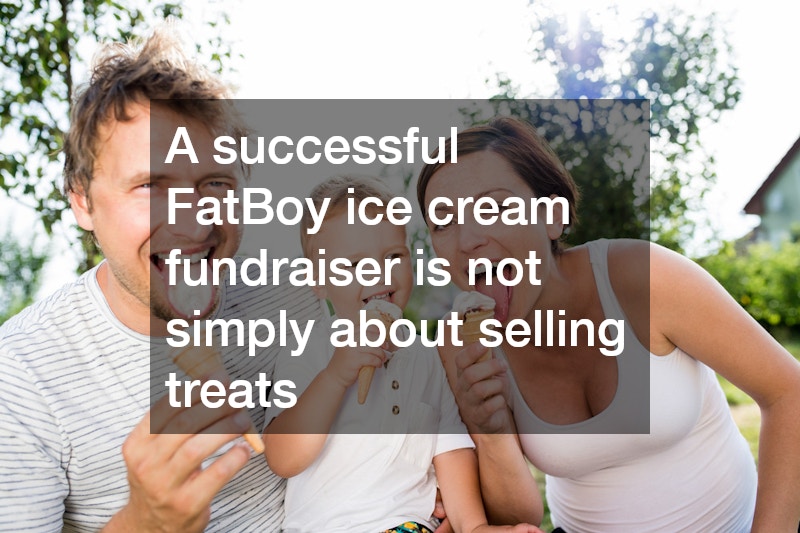
A successful FatBoy ice cream fundraiser is not simply about selling treats. It is about creating an event that brings people together around a shared purpose. When organizers set clear goals, choose a strong location, communicate well, promote early, and create a positive guest experience, fundraising becomes more effective and more meaningful.
Community support often grows when people feel connected to both the cause and the experience. Even modest events can create lasting value when they are thoughtfully planned and well organized. With preparation, teamwork, and genuine local engagement, an ice cream fundraiser can become more than a one-day event—it can become a memorable way to build community while helping important local programs move forward.