Safety is not a single solution—it’s a layered system that combines physical security, structural integrity, operational awareness, and personal preparedness. Whether you manage a residential complex, run a business, or simply want to better protect your home and family, taking a comprehensive approach to safety can significantly reduce risks and provide peace of mind.
From securing your property perimeter to preparing for emergencies and strengthening your own personal defense skills, every layer plays a role. This guide walks through the most important elements of property and personal safety, helping you understand how each piece fits into a complete protection strategy.
Building a Strong First Line of Defense
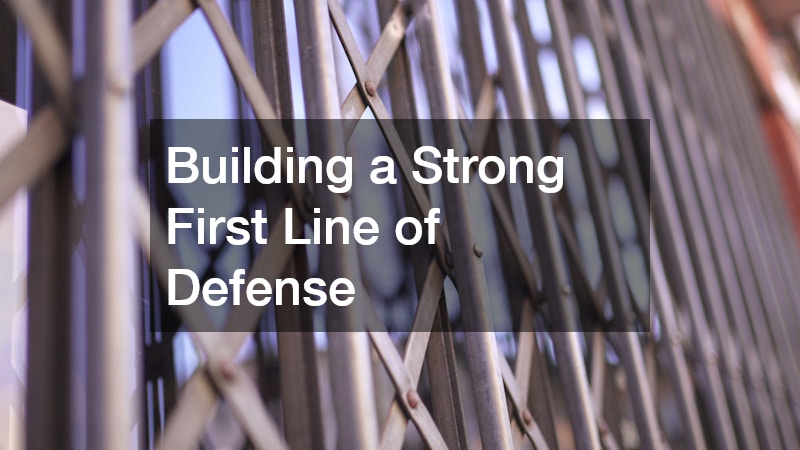
Every safe property starts with controlling access and visibility. The outermost layer of protection is your first opportunity to deter unwanted activity before it becomes a real threat.
Working with fence companies is one of the most effective ways to establish clear boundaries. A well-installed fence doesn’t just mark property lines—it discourages trespassing and limits unauthorized entry points. Combined with proper lighting and surveillance, fencing becomes a powerful deterrent.
For larger residential complexes, hiring an apartment security guard can significantly enhance safety. A visible security presence helps prevent incidents before they occur, while also providing residents with reassurance. Guards can monitor entrances, respond to suspicious behavior, and coordinate with emergency services when necessary.
Traffic flow is another often overlooked factor in safety. Partnering with a traffic control company can help manage vehicle movement in busy areas, reducing accidents and improving overall organization. This is especially important for commercial properties, construction zones, or properties with high foot traffic.
Securing Entry Points and Access
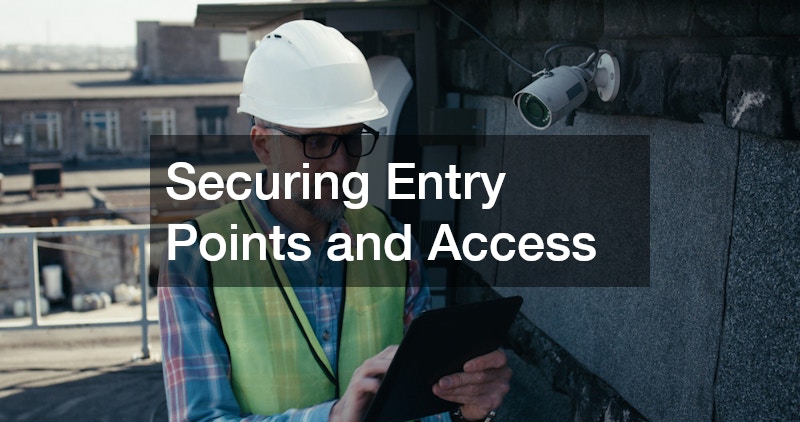
Once your perimeter is protected, the next step is ensuring that all entry points are secure. Doors and windows are the most common vulnerabilities, and upgrading them can make a significant difference. Even a well-secured exterior can be compromised quickly if access points are weak or outdated, making this layer of protection especially critical.
Lock systems should be modern, durable, and properly installed. Professional locksmith companies can assess your current setup and recommend upgrades such as high-security locks, smart access systems, or keyless entry solutions. Regular maintenance is equally important, as worn or outdated locks can fail when you need them most. Rekeying locks periodically or after tenant or employee turnover is another important step to prevent unauthorized access.
Beyond locks, consider reinforcing doors with solid-core materials and installing deadbolts for added protection. Strike plates, door frames, and hinges should also be reinforced, as these are common points of failure during forced entry. Windows should have secure latches and, in some cases, additional barriers depending on the level of risk. Options like window sensors, shatter-resistant film, or even security bars can provide extra peace of mind in higher-risk areas.
Security cameras and alarm systems also play a critical role. While they may not physically prevent entry, they act as strong deterrents and provide valuable evidence if an incident occurs. Modern systems can be monitored remotely, sending real-time alerts to your phone and allowing you to respond quickly. Integrating these systems with lighting and motion sensors creates a more comprehensive security network that significantly reduces vulnerabilities.
Maintaining Structural Safety
A secure property isn’t just about keeping intruders out—it’s also about ensuring the building itself is safe and stable. Structural issues can create hazards that are just as dangerous as external threats. Over time, wear and tear, environmental exposure, and lack of maintenance can weaken key components of a building, increasing the likelihood of accidents, costly repairs, or even complete system failures. Taking a proactive approach to structural safety helps protect both the people inside and the long-term value of the property.
Working with a qualified roofer ensures that your roof remains in good condition, protecting your property from leaks, weather damage, and long-term deterioration. A damaged roof can lead to water intrusion, mold growth, and even structural weakening if left unaddressed. Small issues like missing shingles or minor leaks can quickly escalate into major problems, especially during heavy storms or seasonal changes. Regular inspections and timely repairs not only extend the life of your roof but also prevent hidden damage from spreading to other parts of the building, such as ceilings, insulation, and walls.
Electrical systems are another critical component. Hiring a licensed electrician to inspect and maintain wiring can prevent hazards such as electrical fires, power outages, and equipment damage. Faulty wiring is one of the leading causes of property damage, making regular inspections essential. Outdated systems, overloaded circuits, and improper installations can all pose serious risks. Upgrading electrical panels, ensuring proper grounding, and installing surge protection can further enhance safety and reliability, especially in properties with high energy demands.
Routine maintenance checks should be part of your overall safety plan. Addressing small issues early can prevent larger, more costly problems down the line. This includes inspecting plumbing for leaks, checking foundations for cracks, and ensuring ventilation systems are functioning properly. Preventative maintenance not only reduces safety risks but also improves energy efficiency and overall performance.
In addition, keeping detailed maintenance records can help track recurring issues and ensure nothing is overlooked. By investing in consistent upkeep and professional inspections, you create a safer, more resilient environment that can withstand both everyday use and unexpected challenges.
Preparing for Emergencies and Fire Risks
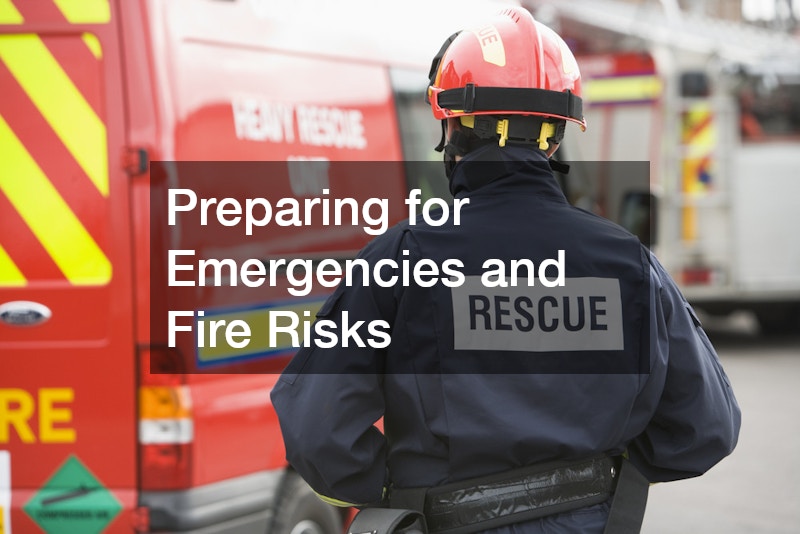
Emergencies can happen at any time, and being prepared can make all the difference. Fire safety should be a top priority for both residential and commercial properties. A single incident can escalate quickly, causing extensive damage, injuries, or even loss of life, which is why proactive planning is essential rather than reactive measures.
Start by installing smoke detectors and fire alarms in key areas, including kitchens, hallways, and sleeping spaces. Fire extinguishers should be easily accessible and regularly inspected to ensure they are functional. It’s also important to choose the right type of extinguisher for different types of fires, such as electrical or grease fires, and ensure occupants understand how to use them properly. Early detection systems are one of the most effective ways to minimize damage and provide critical time to respond.
Creating a clear evacuation plan is equally important. Everyone on the property should know the safest exits and where to gather in case of an emergency. Regular drills can help reinforce these procedures and reduce panic during real situations. Clearly marked exits, emergency lighting, and unobstructed pathways all play a role in ensuring a smooth and efficient evacuation. In larger properties or businesses, assigning roles—such as fire wardens or designated leaders—can further improve coordination during an emergency.
Proper storage of flammable materials and safe use of electrical appliances also contribute to reducing risks. Simple habits, such as unplugging unused devices and avoiding overloaded outlets, can go a long way in preventing fires. Routine inspections of wiring, heating systems, and appliances can help identify potential hazards before they become serious threats.
Additionally, maintaining fire-resistant materials where possible, such as treated building components or fire-rated doors, can slow the spread of flames and provide valuable extra time for evacuation. Educating everyone on basic fire response—like when to attempt to extinguish a fire versus when to evacuate immediately—can further strengthen your overall safety plan. By combining prevention, preparation, and education, you significantly reduce the likelihood of a fire and improve your ability to respond effectively if one occurs.
Protecting Sensitive Information
Safety isn’t limited to physical threats—information security is just as important. Identity theft and data breaches can have serious consequences, especially for businesses handling sensitive information, or even individuals with lots of assets they wish to keep from getting in the wrong hands. When personal or business financial details fall into the wrong hands, the impact can extend far beyond inconvenience, leading to long-term financial loss, reputational damage, and legal complications.
Working with document shredding companies ensures that confidential documents are disposed of securely. Simply throwing papers in the trash can expose personal or business information to unauthorized individuals. Discarded documents such as bank statements, invoices, employee records, or customer data can be easily retrieved and used for fraudulent activity. In many cases, criminals specifically target unsecured trash as an easy entry point for identity theft schemes.
Improper disposal of documents doesn’t just increase the risk of fraud—it can also contribute to burglary. When sensitive information like home addresses, schedules, or financial records is exposed, it can give criminals insight into when a property may be unoccupied or what valuable assets might be inside. This kind of information can make a home or business a more attractive target. What may seem like harmless paperwork can unintentionally provide a roadmap for more serious crimes.
Secure storage systems, both physical and digital, should be part of your overall strategy. Locked filing cabinets, encrypted files, and controlled access to sensitive data all contribute to better protection. Limiting who can view or handle important documents reduces the likelihood of internal or external security breaches.
Regular audits of your information handling practices can help identify potential vulnerabilities and ensure compliance with privacy regulations. Reviewing how documents are stored, accessed, and disposed of allows you to close gaps before they can be exploited. By taking a proactive approach to information security, you not only protect sensitive data but also reduce the risk of fraud, theft, and broader security threats tied to exposed information.
Managing Seasonal and Environmental Risks
Weather conditions can introduce unique challenges that require proactive planning. Seasonal hazards, particularly in colder climates, can create dangerous situations if not properly managed.
Snow removal is essential for maintaining safe walkways, driveways, and parking areas. Accumulated snow and ice can lead to slips, falls, and vehicle accidents. Timely clearing and proper de-icing help reduce these risks and keep your property accessible.
Storm preparation should also be part of your safety plan. Securing outdoor items, checking drainage systems, and reinforcing vulnerable areas can help minimize damage during severe weather events.
Regular inspections during seasonal transitions can help identify issues before they become serious problems.
Creating a Culture of Safety
Even the best systems and equipment are only effective if people know how to use them. Creating a culture of safety means educating everyone on the property about best practices and encouraging awareness.
Training sessions, clear signage, and open communication all contribute to a safer environment. Residents, employees, or family members should feel empowered to report concerns and take proactive steps to prevent accidents.
Routine reviews of safety procedures can help ensure that everyone stays informed and prepared. As circumstances change, your safety plan should evolve as well.
Strengthening Personal Protection
While property-level measures are essential, personal safety is the final and most important layer. No matter how secure your environment is, there may be situations where you need to rely on your own awareness and abilities.
Staying alert and aware of your surroundings is the first step. Avoid distractions in unfamiliar or potentially unsafe areas, and trust your instincts when something doesn’t feel right.
Self-defense skills can provide an added level of confidence and preparedness. Enrolling in a martial arts class is a practical way to learn techniques that improve reaction time, coordination, and situational awareness. Beyond physical skills, martial arts training often emphasizes discipline and mental focus, which can be valuable in high-pressure situations.
Carrying personal safety tools, such as alarms or non-lethal deterrents, can also provide additional protection. However, these tools should be used responsibly and in accordance with local laws.
Improving Safety Across all Facets of Life
Effective safety is about layering multiple strategies to create a comprehensive system. Each element—whether it’s physical security, structural maintenance, emergency preparedness, or personal defense—plays a role in reducing risk.
By combining strong perimeter protection, secure entry points, regular maintenance, and informed individuals, you can create an environment that is both safe and resilient. Adding personal preparedness through self-defense training further strengthens your overall safety strategy.
Taking the time to evaluate your current setup and identify areas for improvement is a worthwhile investment. Safety is not a one-time effort but an ongoing process that evolves with your needs and circumstances.
With the right approach, you can protect not only your property but also the people who rely on it every day.