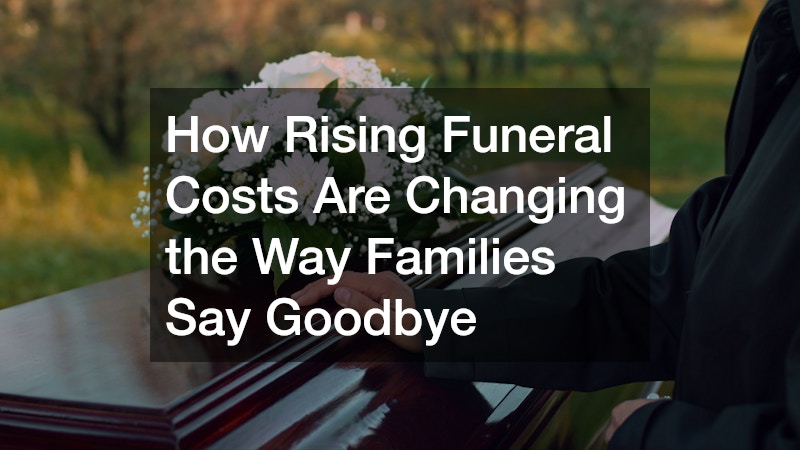

Saying goodbye to a loved one used to follow a fairly predictable script, but soaring costs have forced families to rethink nearly every part of the process. From burial to memorial gatherings, prices have climbed faster than many people expect, often catching grieving families off guard at the worst possible time. Understanding where the money goes, and where you actually have choices, can help you plan ahead or navigate a loss with less financial stress. This article breaks down the shifting landscape of funeral costs and the practical ways families are adapting.
Understanding Why Traditional Funeral Prices Keep Climbing
The cost of a traditional funeral has risen well beyond general inflation over the past two decades, driven by higher expenses for facilities, staff, transportation, and merchandise. Funeral homes face their own rising overhead, including insurance, embalming supplies, and vehicle maintenance, and those costs get passed along to families. Caskets alone can range from a few hundred dollars to well over ten thousand, depending on materials and craftsmanship.
Many families are surprised to learn how many separate line items make up a final bill, since costs are rarely bundled the way they might expect. Understanding the breakdown ahead of time can prevent sticker shock during an already emotional period.
- Basic services fee charged by the funeral home
- Embalming and body preparation
- Use of facilities for viewing or ceremony
- Transportation, including hearse and family cars
- Death certificates and administrative filing fees
Comparing Burial and Cremation Choices
Cremation has become the more common choice for American families largely because it costs significantly less than a traditional burial, and it offers more flexibility in timing and location of memorial events. A direct cremation without any additional services can cost a fraction of what a full burial package runs, since it eliminates expenses like embalming, a burial plot, and a vault.
That said, cremation does not have to mean skipping ceremony altogether. Families increasingly choose a hybrid approach, holding a memorial service or celebration of life after cremation, which allows them to control costs while still gathering loved ones together.
- Direct cremation with no ceremony
- Cremation followed by a memorial service at a later date
- Traditional burial with embalming and a casket
- Green or natural burial with minimal processing
- Burial at sea or scattering of ashes
Choosing Cemetery Plots and Grave Markers Wisely
Beyond the funeral service itself, cemetery costs add another significant layer to the total price of laying someone to rest. Plot fees vary widely depending on location, with urban cemeteries often charging far more than rural ones, and perpetual care fees are frequently required on top of the plot price.
Headstones represent one of the more flexible expenses in this category, since prices range dramatically based on material, size, and engraving detail. Granite tends to be more durable and slightly pricier than marble, while simple flat markers cost far less than upright monuments. Shopping around and ordering directly from a monument company rather than exclusively through the funeral home can often save families a meaningful amount without sacrificing quality.
- Flat bronze or granite markers for lower cost
- Upright monuments for a more traditional look
- Custom engraving with photos or personal messages
- Shared family headstones to reduce per-person cost
Rethinking the Memorial Gathering
The reception or gathering after a funeral has quietly become one of the more expensive parts of saying goodbye, especially as families move away from church basements and toward rented venues, catering, and hired staff. Many people now treat this event much like a smaller version of planning a wedding, weighing venue costs against guest count and desired atmosphere.
Food choices matter more than people expect, both for cost and for creating a meaningful gathering. Some families choose to host at home to save money, while others look into some of the best restaurants in their area for private dining rooms that can accommodate a memorial luncheon without requiring anyone to cook or clean up. Either approach can work well, as long as the choice reflects the family’s budget and the personality of the person being remembered.
- Private room rentals at local restaurants
- Potluck-style gatherings hosted by family or friends
- Catered events at a community or religious space
- Simple coffee-and-dessert receptions to limit cost
Personalizing the Farewell Without Overspending

Families today are looking for ways to make services feel personal without adding significant expense, and small touches often matter more than lavish spending. Displaying photos, playing meaningful music, or asking guests to share memories aloud can add depth to a service at little to no cost.
Flowers remain a meaningful tradition, though families are getting smarter about how they use them. Ordering directly through a local florist for funeral flower delivery on the day of the service is often more affordable and reliable than routing everything through the funeral home’s markup. Some families also ask that donations be made to a cause instead of flowers, which shifts spending toward something the deceased cared about.
- Memory tables with photos and keepsakes
- Custom playlists reflecting the person’s taste in music
- Handwritten cards or a shared memory book
- Charitable donations in lieu of traditional arrangements
Planning Ahead to Ease the Financial Burden
One of the most effective ways families are managing rising costs is by planning and even paying in advance, which removes guesswork and financial pressure from grieving relatives. Prepaid funeral plans, life insurance policies earmarked for final expenses, and simply writing down preferences can all make a difference.
Talking about these wishes early, however uncomfortable it may feel, gives families clarity and often saves thousands of dollars by avoiding rushed decisions made under emotional strain.
- Prepaid funeral contracts through a funeral home
- Final expense life insurance policies
- Written letters of instruction kept with important documents
- Family conversations held well before they’re urgently needed
Rising costs have undeniably changed the way families approach death and remembrance, but they have also opened the door to more personal, flexible, and thoughtful ways of saying goodbye. Whether it means choosing cremation over burial, comparing headstone options, or rethinking the memorial gathering, families now have more control than ever over how they honor a loved one. The best next step is to start the conversation early, research options before they’re urgently needed, and make choices that reflect both your budget and your values.