
Key Takeaways
- Awareness is a learned habit built through observation, pattern recognition, and routine checks rather than paranoia or expensive gear
- Comparing passive security measures like locks and lighting against active habits like scanning entry points reveals that layered approaches work best
- Daylight break-ins are far more common than many homeowners assume, which changes how you should plan daily routines
- Technology such as cameras and smart sensors complements human judgment but cannot replace it when quick decisions matter
- Family communication plans, code words, and rehearsed responses outperform individual preparation during real incidents
- Knowing your neighborhood baseline — normal sounds, regular visitors, parked vehicles — lets you spot anomalies before they become threats
- Financial losses from break-ins average thousands of dollars per incident, making prevention far cheaper than recovery
Why Awareness Beats Equipment Every Time
Most homeowners assume that a stronger lock, a louder alarm, or a sharper camera will keep trouble out. Equipment matters, sure. But hardware is reactive by design — it responds after something has already happened. A camera records the person already standing on your porch. An alarm screams once the window is already broken. A deadbolt is only tested when someone has already decided your door is worth trying. Awareness, by contrast, works before anything goes wrong. Learning how to improve situational awareness shifts your personal safety strategy from cleanup to prevention — from reviewing footage after the fact to noticing the warning signs days earlier.
Think of it this way. A deadbolt stops a door from opening. A trained eye notices the unfamiliar van parked across the street two days in a row, clocks the driver who keeps glancing at house numbers, and locks that door before the stranger ever walks up the path. One is a wall. The other is a scout. Walls are static; they can only do what they were built to do. A scout adapts, interprets, and acts on information the wall will never see — a neighbor’s gate left open, a delivery driver who doesn’t carry a package, footprints in the mulch under a side window, a car that circles the block twice at dusk.
Consider two neighbors with identical floor plans. One installs a $2,000 camera system and feels protected enough to stop paying attention. The other spends a fraction of that on good lighting and a reinforced strike plate, but knows every car that belongs on the street, greets the mail carrier by name, and notices when the dog two doors down starts barking at nothing. When someone casing the block looks for a target, they almost always pick the first house. Attentive residents give off signals that criminals read quickly, and most would rather move on than take the risk.
The real debate isn’t whether to invest in gear or in attention. It’s about ratio. Spend heavily on cameras and nothing on habits, and you have a well-documented burglary — crisp footage of a stranger walking out with your laptop. Spend time learning your environment and pair it with modest equipment, and you have genuine protection. The households that fare best treat the two as partners, not substitutes. Equipment extends your reach when you can’t be watching; awareness tells you what to watch for in the first place. Build the habit first, then let the hardware amplify it.
What Does Real Home Awareness Actually Look Like?
Awareness at home is less about staring suspiciously out the window and more about building quiet, repeatable routines. You already do this in some areas of your life — glancing in the rearview mirror while driving, checking the stove before bed. The same logic applies to protecting the place you live.
A useful starting point is to map out your home’s natural weak points and daily rhythms. Where are the blind spots? When is the house empty? Who has a key? Which window is hidden from the street? Answering these questions turns vague worry into a working plan.
Here are practical habits worth building:
- Do a short perimeter check every morning and evening, noting anything out of place
- Keep a mental log of regular vehicles, delivery drivers, and neighbors on your block
- Vary your departure and return times when possible to avoid predictable patterns
- Close blinds in rooms where valuables are visible from the sidewalk
- Teach every household member to lock doors immediately upon entering
The Difference Between Hyperawareness and Healthy Attention
There’s a real risk of overcorrecting. Treating every passing stranger as a threat exhausts you and desensitizes your instincts. Healthy attention means noticing the baseline so clearly that genuine anomalies stand out on their own. It’s calm, not frantic. People who practice this well describe it as a background process rather than a constant alarm.
Comparing Daytime and Nighttime Risks
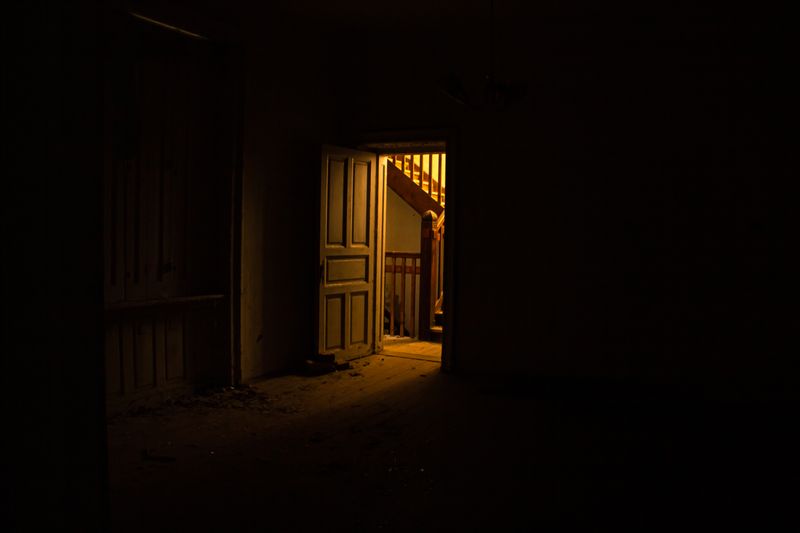
Pop culture paints burglars as shadowy figures sneaking in at 3 a.m. Reality tells a different story. According to Deep Sentinel, more than 28% of home break-ins happened during daylight hours in 2023, making afternoon the single largest window of risk. That changes the math on everything from blinds to packages left on porches.
Nighttime incidents still happen, of course, and they tend to be more confrontational since residents are more likely to be home. But the daytime pattern suggests that most intruders prefer an empty house to a sleeping one. They watch for routines — the morning commute, the school drop-off, the standing gym appointment — and strike when the risk of being seen by occupants is lowest.
Comparing the financial stakes is sobering too. MoneyGeek reported that in 2024, the average loss from a daytime residential burglary reached $4,986, with nighttime losses close behind at $4,368. Those numbers rarely include the harder-to-measure costs: replaced locks, insurance premium hikes, lost sentimental items, and the lingering unease that follows any violation of your space.
How to Improve Situational Awareness Without Becoming Paranoid
The goal is calm competence, not jumpiness. Learning how to improve situational awareness starts with small, deliberate practices rather than sweeping lifestyle changes. Pick one habit, run it for two weeks until it feels automatic, then add another. This slow build is far more durable than a weekend of intense planning that fades by Friday.
A common pitfall is treating awareness as a solo skill. In a household, it’s a team sport. Children, partners, and even frequent houseguests all contribute to — or weaken — the overall picture. If one person leaves the back door unlocked every afternoon, the strongest front-door routine in the world won’t help. Shared standards matter more than individual vigilance.
Consider pairing new habits with existing anchors. For example:
- Check all locks when you brush your teeth at night
- Scan the driveway and street while you grab the morning mail
- Review camera footage briefly while coffee brews
- Walk the yard when you take out the trash
- Confirm the garage is closed before starting a movie or heading to bed
Training Children Without Scaring Them
Kids pick up on tone far more than content. If you treat awareness drills like a game — spotting the “odd one out” in a parking lot, naming all the exits in a restaurant — they absorb the skill without absorbing fear. Framing matters. Teach them that noticing is a strength, not something that comes from being afraid of the world.
Technology Versus Instinct: Which Deserves More Trust?
Smart home gear has exploded over the past decade. Doorbell cameras, motion-activated lights, geofenced alarms, and app-linked sensors can all genuinely help. But each tool has blind spots. Cameras fail when the Wi-Fi drops. Alarms get ignored after enough false triggers. Sensors miss what they weren’t designed to catch.
Human instinct, meanwhile, handles ambiguity in ways no algorithm can match. You notice tension in a stranger’s posture, a car idling too long, a knock that doesn’t sound quite right. That gut-level signal has kept people safe for millennia. The weakness of instinct is that it’s inconsistent — tired, distracted, or overconfident people miss things their alert selves would catch.
The sensible path is to let each tool do what it does best. Use technology for coverage, logging, and deterrence. Rely on your own judgment for interpretation and decision-making. A comprehensive approach to home protection and self-defense treats cameras as witnesses, not guards, and lights as discouragement rather than solutions. Your personal safety still depends on the choices you make the moment something feels off.
Here’s a quick comparison of where each shines:
- Cameras: excellent for evidence and remote visibility, weak for prevention
- Motion lights: strong deterrent at night, limited value during the day
- Smart locks: convenient and auditable, dependent on batteries and networks
- Alarms: effective for scaring off opportunists, prone to alert fatigue
- Human attention: unmatched at pattern recognition, limited by fatigue and distraction
Building a Family Response Plan Everyone Actually Remembers
Plans that live in a binder don’t work. Plans rehearsed out loud, with specific words and physical movements attached, do. The difference shows up in the first ten seconds of a real incident, when thinking slows, and muscle memory takes over.
Start with the basics every member of the household should know by heart: where to go, who to call, and what to say. Pick a single room that can be reached quickly from most parts of the house, ideally one with a solid door and a charged phone. That becomes your gather point. Everyone — including visiting grandparents and the babysitter — should know it exists.
Code words are underrated. A single word, agreed on in advance, can signal “something is wrong, follow the plan” without alerting anyone else in earshot. Pick something ordinary enough to say naturally but specific enough that it won’t come up by accident. Test it occasionally during calm moments so no one freezes when they hear it for real.
Rehearsal doesn’t need to be elaborate. Walk through the plan once a quarter. Time how long it takes to get everyone to the gather point. Ask each person what they’d do if they were in the kitchen, the shower, the backyard. The gaps you find during practice are the ones that would hurt you during an actual event.
Covering the Scenarios That Actually Happen
Most families overprepare for dramatic scenarios and underprepare for mundane ones. A stranger ringing the doorbell at an odd hour is far more common than a forced entry. A package thief walking up the driveway happens more often than an armed intruder. Build your plan around frequency, not drama.
Useful scenarios to walk through include:
- Someone knocking who refuses to leave or claims a false reason to enter
- A delivery driver lingering near the door longer than expected
- Hearing unfamiliar noises outside at night
- Returning home to find a door or window open that should be closed
- A child answering the phone or door when alone
Each one deserves a short, agreed response. Not a script, but a shared instinct about what the first move looks like.
Reading Your Neighborhood Like a Map
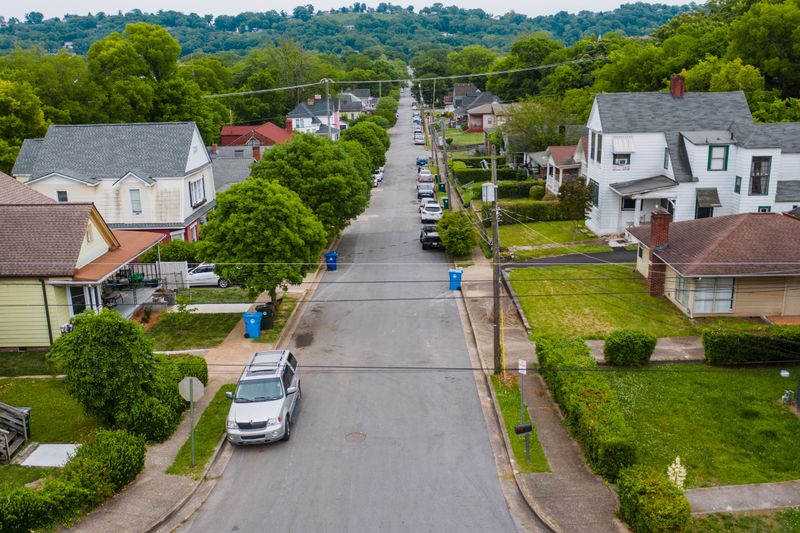
Your street has a rhythm. Trash pickup on Tuesday mornings. The jogger who passes at 6:15. The neighbor who leaves for work at 7:40 without fail. Once you internalize that rhythm, breaks in the pattern jump out immediately — a car that doesn’t belong, a pedestrian walking the same block twice, a stranger photographing houses.
Getting to know even a few neighbors multiplies this effect. A quick wave, an exchanged phone number, a casual agreement to watch each other’s homes during vacations — these small ties create a network no camera system can replicate. People who know each other notice when something is off and act on it. People who don’t, assume someone else will handle it.
Walking your block occasionally, rather than always driving through it, speeds up this learning. You see what the fence line really looks like, which houses have overgrown shrubs that block windows, and where the streetlights are out. That ground-level knowledge sharpens every other habit you’ve built.
Conclusion
Protecting the place where your family lives isn’t about fear or fortification. It’s about weaving quiet attention into the ordinary moments of your day until noticing becomes as natural as locking the car. The households that stay safest aren’t the ones with the most expensive equipment — they’re the ones where everyone, from the youngest child to the oldest adult, shares a basic understanding of what normal looks like and what to do when something breaks that pattern.
Equipment buys you coverage. Habits buy you time. Communication buys you coordination. None of the three works alone, and all three get stronger when practiced together over months rather than crammed into a single weekend of worry. Start small, pick one routine this week, and let it settle before adding the next. The compounding effect is what separates reactive homeowners from genuinely prepared ones.
The real reward of this kind of attention isn’t just fewer incidents, though that’s a meaningful outcome. It’s the quiet confidence of walking through your own home, your own street, your own life, with a clear sense of what belongs and what doesn’t. That calm is available to anyone willing to build it, one small habit at a time.