
Key Takeaways
- Home remodeling changes a property’s layout, appearance, or functionality, while renovation typically updates existing spaces and repairs address damage or restore systems.
- Common remodeling projects include kitchen and bathroom upgrades, whole-house renovations, room additions, and layout changes.
- Remodeling can improve everyday comfort, maximize space, increase property appeal, and enhance energy efficiency.
- Remodeling costs depend on project size, materials, labor, structural changes, permits, and unexpected repairs. A realistic budget should include a contingency fund.
- Successful remodeling starts with clear priorities, a defined scope of work, a practical timeline, and an assessment of the home’s existing condition.
- Hiring a qualified contractor requires checking credentials, insurance, references, written estimates, contracts, and experience with similar projects.
- Regular inspections and proper maintenance after remodeling help protect your investment, prevent costly damage, and extend the life of upgraded features.
Home remodeling is one of the most effective ways to make a house more comfortable, functional, and suited to your changing needs. Whether you want to modernize an outdated kitchen, create a more spacious living area, upgrade an old bathroom, or transform your entire property, remodeling allows you to improve how your home looks and works. However, a successful project involves more than choosing attractive finishes or following the latest design trends. It requires careful planning, realistic budgeting, and decisions that support your property’s long-term condition and value.
Choosing the right home remodeling contractor requires more than comparing estimates. You need to evaluate a contractor’s experience, verify licenses and insurance where required, review previous projects, check references, and understand the proposed contract before committing. Understanding what home remodeling involves can help you determine which improvements make sense for your household. From minor interior updates to major structural changes, each project comes with different costs, timelines, and requirements.
This guide explains the basics of home remodeling, explores common project types, outlines the benefits, and offers practical advice to help you plan your next home improvement project with confidence.
What Is Home Remodeling?
Home remodeling refers to changing the structure, layout, appearance, or functionality of an existing home. Unlike simple maintenance tasks that preserve a property’s current condition, remodeling involves making improvements that change how a space looks or serves its occupants. Depending on the project’s scope, this could mean replacing outdated kitchen cabinets, converting an unused room into a home office, expanding a living area, or redesigning several rooms to create a more practical layout.
Homeowners remodel their properties for different reasons. Some want to accommodate a growing family, while others need better accessibility, improved energy efficiency, or updated living spaces. Remodeling can also help address outdated designs and make an older home more suitable for modern lifestyles. Before starting, it is important to understand the difference between remodeling, renovation, and routine repairs so you can identify the right approach for your property.
How Is Remodeling Different From Renovation?
Although people often use the terms interchangeably, remodeling and renovation can describe different types of work.
- Remodeling: Changes the design, layout, or function of a space. For example, removing a non-load-bearing wall to create an open-plan living and dining area changes how the rooms are arranged.
- Renovation: Restores or updates an existing space without necessarily changing its basic layout. Repainting walls, replacing worn flooring, or installing new kitchen cabinets in the same configuration are common examples.
- Home repairs: Fixes damage or restores a system to proper working condition. Repairing a leaking pipe, replacing damaged roof shingles, or fixing a malfunctioning door are typical repair tasks.
These categories can overlap. A kitchen remodeling project, for instance, may involve renovating cabinets, repairing plumbing, and changing the room’s layout. Understanding these distinctions helps homeowners define their goals and communicate their expectations to contractors.
What Are the Most Common Types of Home Remodeling?
Home remodeling can involve a single room, several connected spaces, or nearly every part of a property. The right project depends on your household’s needs, the condition of your home, your available budget, and the improvements that would make the biggest difference to everyday living. Some homeowners focus on appearance, while others prioritize functionality, safety, or long-term efficiency. Knowing the most common remodeling options can help you identify opportunities to improve your home without committing to unnecessary changes.
It is also helpful to consider how different projects affect one another. Updating a kitchen may require electrical or plumbing work, while converting an attic into a bedroom could involve insulation, ventilation, and structural improvements. Planning these elements together can reduce disruptions and prevent finished areas from needing additional work later.
Kitchen Remodeling
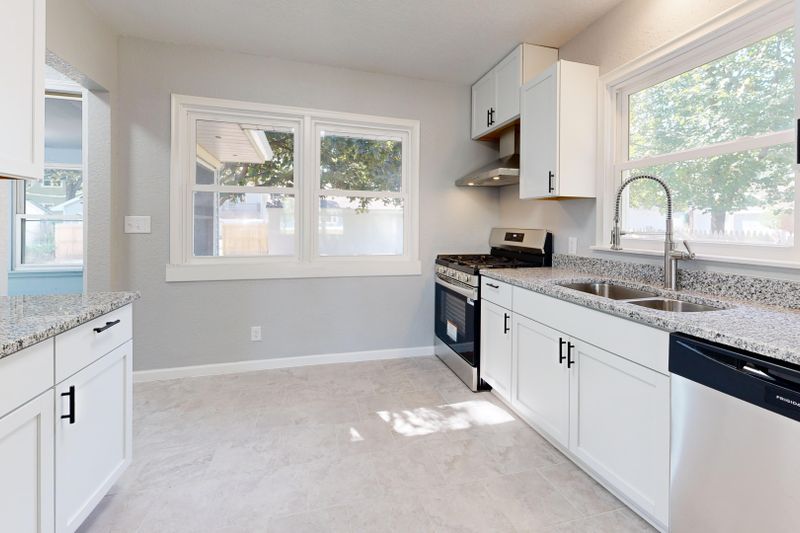
The kitchen is one of the most frequently remodeled areas because it serves as both a workspace and a gathering place. A well-designed kitchen can improve meal preparation, provide more storage, and create a more inviting environment for family members and guests.
Common kitchen remodeling projects include:
- Replacing cabinets and countertops to improve storage and appearance.
- Installing energy-efficient appliances to reduce electricity consumption.
- Updating lighting to make food preparation safer and more convenient.
- Reconfiguring work areas to improve movement between the sink, stove, and refrigerator.
- Replacing old flooring with durable, easy-to-clean materials.
The scope of the project will depend on whether you want a cosmetic update or a complete redesign. Keeping the existing layout can help control expenses, while relocating plumbing, electrical connections, or major appliances may increase costs and construction time.
Bathroom Remodeling
Bathroom remodeling can improve comfort, accessibility, water efficiency, and the overall appearance of a home. Even relatively small changes can make the space easier to use, especially when outdated fixtures, poor lighting, or limited storage create everyday frustrations.
Popular upgrades include installing modern vanities, replacing worn tiles, improving ventilation, updating faucets, and replacing an old bathtub with a walk-in shower. Homeowners may also choose slip-resistant flooring, wider doorways, or accessible fixtures to accommodate changing mobility needs.
Because bathrooms contain plumbing, electrical components, and moisture-sensitive materials, proper installation is essential. Waterproofing, drainage, and ventilation should receive as much attention as decorative finishes. Addressing these technical requirements helps prevent leaks, mold growth, and premature deterioration.
Whole-House Remodeling
A whole-house remodel involves updating multiple rooms or major systems as part of a coordinated project. It may include changes to the floor plan, new flooring throughout the property, updated electrical and plumbing systems, improved insulation, and redesigned interior finishes.
This approach can be useful when purchasing an older property, preparing a home for a growing family, or addressing several outdated features at once. Completing related work together may also reduce the need to repeat demolition, installation, and cleanup.
However, whole-house remodeling requires careful coordination. Homeowners should establish clear priorities, plan for temporary disruptions, and determine whether they can remain in the property during construction. For extensive projects, temporary accommodation may be necessary.
Room Additions and Layout Changes
Sometimes, improving an existing room is not enough. A growing household may need another bedroom, a dedicated workspace, or a larger living area. Room additions and layout changes can create the space needed without requiring a move to another property.
Possible projects include converting an attic or basement into usable living space, adding a bedroom, extending a dining area, or creating a home office. These changes may involve structural modifications, insulation, heating and cooling adjustments, and new electrical connections.
Before proceeding, confirm whether the proposed work requires permits, architectural plans, or engineering assessments. A qualified professional can help determine whether the existing structure can safely support the planned changes.
What Are the Benefits of Home Remodeling?
Home remodeling can offer benefits that extend beyond improving a property’s appearance. Thoughtful upgrades can make daily routines easier, help address long-standing maintenance issues, and adapt living spaces to the needs of the people who use them. The greatest value often comes from identifying problems and opportunities before selecting finishes or deciding how much to spend. By focusing on practical improvements, homeowners can make their properties more enjoyable while supporting their long-term usefulness.
However, not every remodeling project produces the same results. The benefits depend on the home’s current condition, the quality of the work, the materials selected, and the needs of future occupants. A project that improves functionality and resolves existing problems may be more valuable than an expensive decorative upgrade that offers little practical benefit.
Improved Comfort and Functionality
A home should support the way its occupants live. Remodeling can help eliminate awkward layouts, increase storage, improve lighting, and create spaces that better suit daily activities.
For example, a family that frequently cooks together may benefit from additional counter space and a more efficient kitchen layout. Someone who works remotely may need a quiet office with adequate lighting and electrical outlets. A homeowner planning to age in place might prioritize accessible bathrooms and safer entryways.
These changes can make a home easier to use without necessarily increasing its size. By addressing specific household needs, remodeling helps turn underused or inconvenient spaces into functional parts of everyday life.
Increased Property Appeal and Potential Value
Well-planned improvements may make a home more attractive to prospective buyers. Updated kitchens, functional bathrooms, appealing flooring, and practical layouts can influence how people perceive a property.
Nevertheless, remodeling does not guarantee a particular increase in resale value. Results depend on local market conditions, neighborhood expectations, project costs, and the quality of the finished work. Highly personalized designs may also appeal to fewer buyers than practical, broadly appealing improvements.
If resale value is a priority, research comparable properties in your area and discuss your plans with a knowledgeable real estate professional. Focus on improvements that address visible shortcomings while remaining appropriate for the property’s price range.
Better Energy Efficiency
Remodeling provides an opportunity to improve a home’s energy performance. Older windows, insufficient insulation, outdated lighting, and inefficient heating or cooling equipment can contribute to unnecessary energy use.
Depending on the property’s condition, useful upgrades may include:
- Installing better-insulated windows and exterior doors.
- Improving insulation in attics, walls, or other suitable areas.
- Sealing air leaks around openings and building joints.
- Upgrading to appropriately sized, energy-efficient heating and cooling equipment.
- Replacing inefficient lighting with LED alternatives.
These improvements may reduce energy consumption and improve indoor comfort. The actual savings will depend on the home’s existing systems, local climate, energy prices, and how the household uses the property.
Fewer Future Problems
Remodeling can reveal hidden issues that should be addressed before new materials cover them. Damaged framing, outdated wiring, leaking pipes, and inadequate ventilation can affect the safety and durability of a finished project.
Taking care of these problems during construction can prevent repeated disruption and reduce the risk of expensive repairs later. It is important, however, to distinguish necessary corrective work from optional upgrades so you can allocate your budget responsibly.
How Much Does Home Remodeling Cost?
The cost of home remodeling depends on the project’s size, complexity, location, materials, labor requirements, and the condition of the existing property. Updating paint and flooring generally requires less investment than moving walls, replacing major building systems, or adding an entirely new room. Even projects that appear similar can have very different costs when one home requires extensive repairs, and another is already in good condition.
Rather than relying on a single average price, homeowners should build a budget around a clearly defined scope of work. Obtain detailed estimates, compare material options, and account for expenses that may not be obvious during the initial planning stage. A realistic budget should cover both the planned improvements and a reasonable contingency for unexpected problems.
Factors That Affect Remodeling Expenses
Several considerations can influence your total project cost:
- Project size: Larger spaces generally require more labor and materials.
- Material selection: Premium finishes, custom cabinetry, and specialized products can increase expenses.
- Structural changes: Moving walls, modifying foundations, or changing room dimensions may require additional professional services.
- Plumbing and electrical work: Relocating fixtures or upgrading old systems can add significant costs.
- Permits and inspections: Required approvals and inspections should be included in the budget.
- Unexpected damage: Hidden leaks, deteriorated framing, or outdated installations may require corrective work.
Request written estimates that clearly explain what is included and excluded. Comparing proposals on the same scope of work makes it easier to identify differences in pricing, materials, timelines, and services.
How Can You Avoid Going Over Budget?
Start by separating essential improvements from optional features. Safety issues, water damage, structural concerns, and failing systems should generally take priority over cosmetic upgrades. Once the essentials are covered, you can decide which additional improvements fit your remaining budget.
Keep a contingency fund for unexpected expenses. The appropriate amount depends on the age and condition of the home, the complexity of the project, and how much uncertainty remains after inspections.
You should also document any changes to the original plan. Additional work can affect labor costs, material orders, and completion dates, so approve changes in writing before the contractor proceeds. This simple practice helps everyone understand how revisions will affect the overall project.
How Do You Plan a Successful Home Remodeling Project?

Successful remodeling begins well before construction starts. Homeowners need to identify what is not working, establish realistic goals, decide how much they can spend, and understand which professionals may be required. A clear plan gives contractors a reliable basis for estimates and helps prevent disagreements about the project’s scope. It also makes it easier to determine which improvements should happen first and which can wait for another time.
Planning should account for the entire project, from the initial assessment to final inspections and future maintenance. By considering practical details early, homeowners can reduce avoidable delays, manage disruptions, and make decisions based on long-term needs rather than short-term excitement about design choices.
1. Identify Your Priorities
Walk through your home and list the problems you want to solve. Consider whether rooms feel cramped, storage is inadequate, fixtures are outdated, or building systems require attention. Separate urgent repairs from improvements that are mainly aesthetic.
Next, rank your goals according to importance and affordability. If you cannot complete every desired upgrade at once, prioritize work that protects the structure, improves safety, or supports essential household functions.
2. Set a Realistic Budget and Timeline
Determine how much you can comfortably spend without compromising other financial obligations. Research material costs, request contractor estimates, and include allowances for permits, professional fees, temporary accommodation, and cleanup when applicable.
Your timeline should reflect the complexity of the project. A straightforward room update may take considerably less time than a remodel involving structural work or multiple trades. Discuss expected milestones with your contractor and ask how delays caused by inspections, weather, or material shortages will be handled.
3. Assess the Home’s Existing Condition
Before finalizing your design, inspect the areas affected by the planned work. Roof leaks, plumbing problems, electrical concerns, damaged flooring, and inadequate ventilation may need attention before decorative improvements begin.
Homeowners who organize routine inspections and repairs through a year-round home repair plan can identify some problems before they interfere with a larger renovation. Addressing known issues early helps create a more reliable starting point for remodeling and reduces the likelihood of covering up damage that will need to be corrected later.
4. Choose Suitable Materials and Designs
Select materials based on durability, maintenance requirements, appearance, and suitability for the intended space. Moisture-resistant finishes may be appropriate for bathrooms, while durable flooring can be beneficial in high-traffic areas.
Consider how new features will work with the rest of the home. A coordinated design can make individual upgrades feel connected and help prevent expensive changes caused by inconsistent measurements, finishes, or installation requirements.
5. Check Permits and Building Requirements
Some remodeling projects require building permits, inspections, or approval from local authorities. Structural modifications, room additions, and significant electrical or plumbing changes may be subject to specific regulations.
Requirements vary by location and project type, so confirm them before construction begins. Your contractor or design professional may help identify the necessary approvals, but you should understand who is responsible for obtaining them and keeping the documentation.
How Do You Choose the Right Contractor?
The professionals carrying out your remodeling project can significantly influence its quality, cost, and completion time. A contractor may offer an attractive price, but that alone does not establish whether they have the experience, qualifications, insurance, and project management skills needed for your specific work. Homeowners should evaluate potential contractors carefully, ask clear questions, and compare written proposals before making a commitment.
A good working relationship also depends on communication and accountability. You should understand who will supervise the work, how progress will be reported, how unexpected issues will be handled, and what happens if the project changes. Taking time to review these details helps establish realistic expectations and reduces the chance of costly misunderstandings.
What Should You Check Before Hiring?
Use the following checklist when evaluating potential contractors:
- Verify qualifications: Confirm relevant licenses or registrations where required and check that the contractor is qualified for the work.
- Review insurance: Request proof of appropriate liability coverage and workers’ compensation insurance where applicable.
- Examine previous projects: Look for completed work similar in size, design, and complexity to your planned renovation.
- Contact references: Ask previous clients about workmanship, communication, reliability, and how problems were resolved.
- Compare written estimates: Review labor, materials, permits, cleanup, payment schedules, and exclusions.
- Read the contract: Confirm the scope of work, expected dates, warranties, change-order procedures, and dispute resolution terms.
These steps help you compare contractors using more than price alone. They also make it easier to identify missing information before signing an agreement.
What Are the Warning Signs of an Unreliable Contractor?
Be cautious if a contractor refuses to provide references, avoids written agreements, pressures you to make an immediate decision, or offers a price that seems unusually low without explaining the difference. Requests for large upfront payments without clear contractual protections should also prompt further scrutiny.
Before choosing a contractor, discuss how they manage unexpected repairs, material substitutions, scheduling conflicts, and additional costs. Their answers can reveal whether they have a practical process for handling the challenges that often arise during remodeling.
What Mistakes Should Homeowners Avoid?
Even a well-intentioned remodeling project can become stressful when important details are overlooked. Common mistakes include beginning construction without a clear plan, choosing materials before confirming measurements, underestimating expenses, and hiring professionals based only on the lowest bid. These decisions can lead to delays, poor workmanship, repeated repairs, or finished spaces that do not meet the household’s needs.
Homeowners can reduce these risks by making important decisions before work begins and keeping records throughout construction. Clear expectations, careful oversight, and a willingness to address problems early are especially valuable when several contractors or trades are working on the same property.
Avoid these common pitfalls:
- Changing the design repeatedly: Frequent revisions can increase costs and delay work. Finalize major decisions early whenever possible.
- Ignoring essential repairs: Covering up leaks or structural damage can create more serious problems later. Address underlying issues before finishing the affected areas.
- Selecting the cheapest bid automatically: An incomplete estimate may exclude important materials or services. Compare the full scope and quality of each proposal.
- Overlooking ventilation and moisture control: Poor airflow and inadequate waterproofing can damage finishes and contribute to indoor air quality problems.
- Failing to document changes: Verbal agreements can lead to confusion. Record revisions, prices, and schedule adjustments in writing.
- Neglecting final inspections: Review the finished work, confirm that required inspections have been completed, and collect warranties and relevant documents before closing out the project.
Avoiding these mistakes helps keep the project focused on its original goals while making it easier to manage unexpected challenges.
How Can You Maintain Your Home After Remodeling?
Completing a remodeling project is an important milestone, but maintaining the upgraded space is essential to protecting your investment. New finishes, appliances, plumbing fixtures, roofing components, and heating or cooling equipment all have different care requirements. Understanding those requirements helps homeowners preserve performance, prevent avoidable damage, and identify small issues before they become expensive repairs.
Before the contractor leaves, request product manuals, warranty information, maintenance recommendations, and records of any inspections or permits. Keep these documents in an organized location so you can refer to them when arranging service or planning future improvements. You should also clarify which parts of the work are covered by workmanship warranties and how to report any problems that appear after completion.
Create a Practical Maintenance Routine
Inspect remodeled areas regularly for signs of wear, leaks, damaged seals, loose fixtures, or unusual changes in performance. Clean surfaces according to manufacturer instructions and avoid using products that could damage finishes or protective coatings.
Schedule professional servicing for systems that require specialized attention, including heating and cooling equipment and other essential installations. If you notice persistent moisture, unusual odors, electrical problems, or structural changes, investigate promptly rather than waiting for the next routine inspection.
Finally, keep track of maintenance costs and future improvement needs. A simple record of completed work, service dates, and upcoming repairs can help you plan expenses and make better decisions about your property over time.
Conclusion
Home remodeling gives homeowners an opportunity to improve their living spaces, address outdated features, and create a property that better reflects their needs. Whether you are updating one room or transforming an entire house, the most successful projects begin with clear goals, realistic financial planning, and a thorough understanding of the work involved.
Before committing to a renovation, evaluate the property’s existing condition, establish priorities, compare contractor proposals, and confirm the applicable building requirements. Pay attention to the quality of materials, the experience of the professionals you hire, and the details of your written agreement. These decisions can help prevent avoidable setbacks and support a better finished result.
Ultimately, a well-planned remodel should do more than make your home look different. It should improve how the property functions, provide lasting comfort, and support its long-term condition. With thoughtful preparation and consistent maintenance, you can make informed improvements that serve your household for years to come.