
A sudden injury, a child’s fever at midnight, or a loved one’s struggle with substance use can leave you frozen, unsure of where to turn for help. Choosing the wrong level of care can waste precious time, cost you unnecessary money, or, in serious cases, put health at risk. This guide breaks down the warning signs that point to specific types of care, so you can act quickly and confidently when it matters most. By the end, you will have a clearer sense of which option fits which situation.
Minor Aches and Chronic Pain That Linger
Not every ache requires a trip to a clinic or hospital. Minor muscle soreness, mild joint stiffness, or pain that has been nagging for weeks without getting worse often responds well to conservative, non-invasive treatment options. One increasingly popular option for this category is cold laser therapy, which uses low-level light to reduce inflammation and promote tissue healing without medication or downtime. This approach works best for soft tissue injuries, tendonitis, and chronic pain conditions that have already been evaluated by a professional.
Recognizing when pain falls into this manageable category can save you from overusing emergency resources. Signs that you are dealing with a lower-urgency issue include pain that fluctuates with activity, discomfort that responds to rest and ice, and symptoms that have been stable for a long period. If you notice swelling that stays localized and does not spread, that is another reassuring sign.
- Pain that worsens with specific movements but eases with rest
- Stiffness that improves after light stretching or warming up
- No visible deformity, numbness, or loss of function
- Symptoms present for weeks or months without sudden change
- Previous diagnosis of a condition like tendonitis or arthritis
Sudden Injuries That Need Same-Day Attention

Some injuries land in a gray zone between minor and severe. A sprained ankle that cannot bear weight, a deep cut that may need stitches, or a fever that will not break are all situations where waiting days for a regular doctor’s appointment is not realistic, but the situation may not be life-threatening either. These cases typically call for a walk-in clinic equipped to handle same-day concerns with X-rays, stitches, or diagnostic testing on site.
The key is recognizing when symptoms are serious but stable. If someone is alert, breathing normally, and not in extreme distress, a same-day clinic visit is often the right call. Watching for changes over the next few hours can help you decide if escalation is necessary.
- Moderate cuts that may need stitches but are not bleeding uncontrollably
- Sprains or possible fractures without visible bone displacement
- Fevers in adults that persist despite medication
- Minor burns that do not cover large areas of the body
- Allergic reactions limited to mild rash or itching
Children’s Symptoms That Require Immediate Evaluation
Kids get sick and hurt in ways that can alarm even experienced parents, and knowing where to take them matters. Pediatric urgent care centers are designed specifically for situations like high fevers in infants, ear infections, minor fractures, or breathing issues that are uncomfortable but not critical. These facilities typically have staff trained in treating children, smaller equipment sized for young patients, and a calmer environment than a busy emergency department.
Parents should trust their instincts but also know the specific signs that warrant a same-day visit rather than waiting for a pediatrician’s office to open. A fever in a newborn under three months is always urgent. Persistent vomiting, a limp that appeared after a fall, or a rash that spreads quickly are also reasons to seek same-day care rather than waiting it out at home.
- Fever over 100.4 in infants under three months
- Ear pain accompanied by fussiness or tugging at the ear
- Minor fractures or sprains from falls or sports
- Vomiting or diarrhea lasting more than a day
- Rashes that spread but do not come with breathing trouble
Chest Pain and Breathing Problems That Cannot Wait
Some symptoms leave no room for deliberation. Chest pain, especially when paired with shortness of breath, sweating, or pain radiating to the arm or jaw, should always be treated as a potential emergency. Heading straight to the ER is the right decision in these moments, because facilities there have the imaging, cardiac monitoring, and specialists needed to diagnose and treat life-threatening conditions immediately.
Breathing difficulty on its own, even without chest pain, is another red flag that should never be managed at home or in a lower-acuity clinic. Severe asthma attacks, choking, or sudden difficulty speaking in full sentences due to shortness of breath all point to the same urgent path. Time matters enormously in these cases, and every minute of delay can affect outcomes.
- Chest pain with sweating, nausea, or pain spreading to the arm or jaw
- Severe shortness of breath or gasping for air
- Blue lips or fingertips
- Confusion or fainting alongside breathing trouble
- Known heart condition with new or worsening symptoms
Severe Trauma and Life-Threatening Injuries
Major trauma, including car accidents, falls from height, deep wounds with heavy bleeding, or suspected spinal injuries, demands immediate emergency care. These situations often involve internal injuries that are not visible from the outside, which makes professional evaluation non-negotiable. Calling emergency services or getting to the nearest trauma center quickly can be the difference between a full recovery and lasting damage.
It is easy to underestimate trauma in the moments right after it happens, especially when adrenaline is masking pain. Loss of consciousness, even briefly, always warrants emergency evaluation. The same goes for any injury involving the head, neck, or spine, since symptoms can worsen hours after the initial impact.
- Heavy bleeding that does not stop with direct pressure
- Loss of consciousness, even brief
- Suspected broken bones with visible deformity
- Head injury with confusion, vomiting, or slurred speech
- Any injury following a high-speed collision or significant fall
Signs That Substance Use Has Become Unmanageable
Recognizing when a loved one’s relationship with alcohol or drugs has crossed into dangerous territory is rarely straightforward. Warning signs often build slowly, including missed work or school, withdrawal from relationships, financial problems tied to substance use, and physical symptoms like shaking or sweating when not using. When these patterns appear alongside failed attempts to quit on their own, it is usually time to consider drug rehab as a structured path toward recovery.
Beyond behavioral changes, there are physical warning signs that should never be ignored. Overdose symptoms, including extreme drowsiness, slowed breathing, or unresponsiveness, require emergency intervention right away. For ongoing patterns of use that are damaging health and relationships but are not an immediate crisis, a structured treatment program offers the medical support and accountability that willpower alone often cannot provide.
- Withdrawal symptoms like shaking, nausea, or sweating
- Repeated failed attempts to cut back or quit
- Neglecting responsibilities at work, school, or home
- Using substances in physically dangerous situations
- Noticeable changes in mood, sleep, or physical appearance
Mental Health Symptoms That Signal a Need for Support
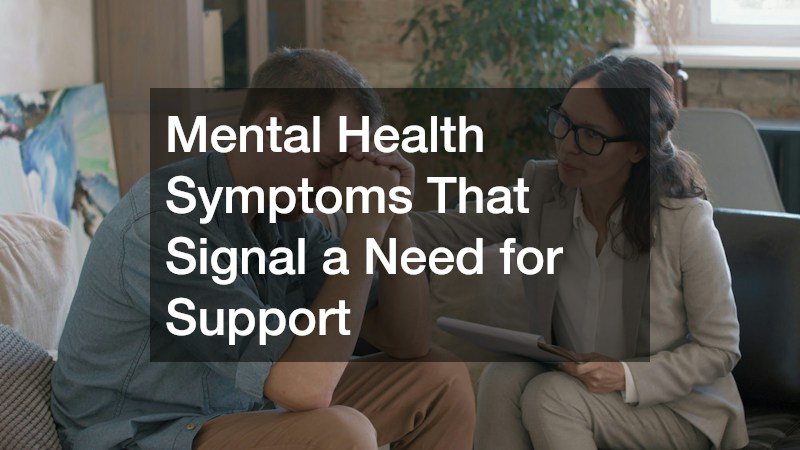
Mental health crises can be just as urgent as physical ones, though they are often harder to recognize in the moment. There’s no visible wound or fever to point to, which means warning signs can be dismissed or explained away long after they should have prompted action. Recognizing the pattern early makes a real difference in how quickly someone gets appropriate support. Persistent hopelessness, withdrawal from loved ones, or a noticeable decline in daily functioning are signs that professional support is needed. This can look like skipping work or school repeatedly, neglecting hygiene or meals, losing interest in activities once enjoyed, or sudden changes in sleep patterns, such as sleeping far more or far less than usual.
Increased irritability, difficulty concentrating, or relying heavily on alcohol or substances to get through the day are also red flags worth paying attention to. Some symptoms call for immediate, same-day intervention rather than a routine appointment down the line. Talk of self-harm or suicide, giving away possessions, or sudden calmness after a period of severe depression can signal an acute crisis and warrant contacting a crisis line, emergency room, or mental health professional right away. These symptoms deserve the same seriousness as a physical health concern, since untreated mental health conditions can worsen quickly without intervention. Just as chest pain shouldn’t be ignored in hopes it resolves on its own, emotional distress that lasts more than two weeks or interferes with work, relationships, or self-care is a clear signal that it’s time to reach out for help.
Some signs point to an urgent need for intervention rather than a scheduled appointment weeks away. Talk of self-harm or suicide, giving away prized possessions, saying goodbye in a way that feels final, or sudden calmness after a period of severe depression are all signals that immediate help is necessary. That last one is easy to miss, since it can look like relief or improvement, but it sometimes means a person has made a decision to end their life and feels at peace with it. Other red flags include a marked increase in substance use, reckless or self-destructive behavior, extreme mood swings, or expressing feelings of being a burden to others. Panic attacks that involve chest pain, difficulty breathing, or a sense of impending doom can also warrant emergency evaluation, particularly if someone has no prior history of them.
In these situations, reaching out to a crisis line, a mobile crisis team, or seeking in-person emergency support should happen without delay. In the United States, dialing or texting 988 connects people to the Suicide & Crisis Lifeline at any hour. If someone is in immediate physical danger, calling 911 or going to the nearest emergency room is the safer route, since not every mental health crisis can wait for a callback or a next-day appointment.
- Persistent feelings of hopelessness, sadness, or emptiness lasting more than two weeks
- Withdrawal from friends, family, or activities you once enjoyed, including canceling plans repeatedly
- Talk of self-harm or suicide, whether direct statements or indirect comments like “everyone would be better off without me”
- Sudden changes in sleep (insomnia or oversleeping), appetite (eating much more or less), or energy levels
- Difficulty functioning at work, school, or home, such as missed deadlines or neglected responsibilities
- Increased use of alcohol or drugs to cope with stress or emotions
- Excessive worry, racing thoughts, or panic attacks that interfere with daily life
- Unexplained physical symptoms, like headaches or stomachaches, with no clear medical cause
Conclusion
Knowing which type of care matches your symptoms can reduce stress, save money, and in urgent cases, protect your health or someone else’s. The signs outlined here are meant to guide your decision-making, not replace professional judgment when something feels seriously wrong. When in doubt, it is always safer to seek a higher level of care and let trained providers confirm that you made the right call. Trust your instincts, pay attention to how symptoms evolve, and take action rather than waiting for certainty.