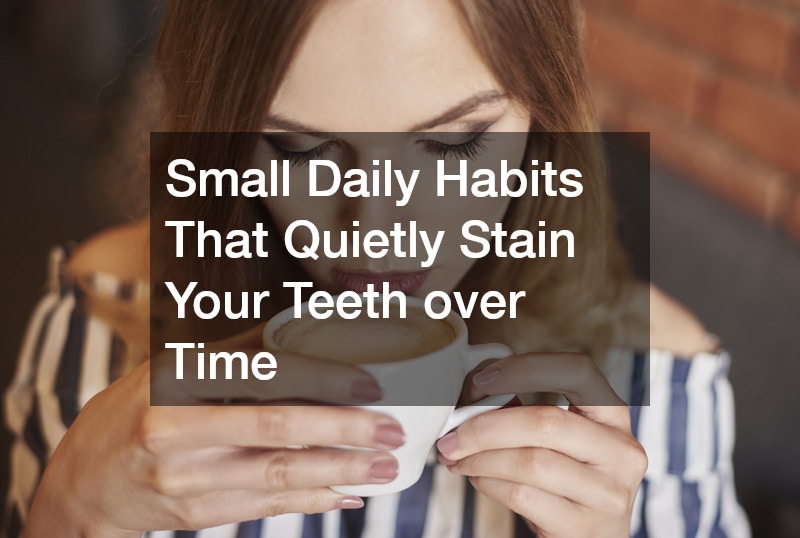

You brush twice a day, maybe even floss regularly, yet your smile still looks duller than it did a few years ago. The truth is that most tooth discoloration doesn’t come from one dramatic event but from small, repeated choices that build up quietly over months and years. Coffee, certain foods, and even the way you care for your teeth can all leave a lasting mark. Understanding which everyday habits contribute to staining is the first step toward protecting your smile before the damage becomes harder to reverse.
Your Morning Coffee and Tea Routine
Coffee and tea are two of the most common culprits behind gradual tooth discoloration, and most people drink one or both every single day without thinking twice. These beverages contain tannins, which are compounds that latch onto the enamel’s surface and create a yellowish or brownish tint over time. The damage isn’t from one cup but from the daily habit repeated across years, which is exactly why it sneaks up on people.
The temperature of these drinks can make things worse, since hot liquids can open the pores in your enamel slightly, making it easier for pigments to seep in. Adding milk can help dilute the tannins somewhat, but it doesn’t eliminate the staining effect entirely. Rinsing your mouth with water after finishing your cup is a simple habit that can reduce the amount of residue left behind.
- Use a straw when drinking iced coffee or tea to limit contact with front teeth
- Swish water in your mouth after each cup
- Avoid letting coffee or tea sit in your mouth while working or driving
- Consider reducing the number of cups per day if staining is a concern
Red Wine and Dark Sauces at Dinner
A glass of red wine with dinner feels harmless, but it’s one of the more aggressive staining culprits because it combines deep pigmentation with high acidity. The acid softens enamel slightly, and the dark pigments then adhere more easily to that softened surface. Over years of weekly or nightly wine habits, this can lead to a noticeably duller or grayer tooth color.
Dark sauces like soy sauce, tomato-based marinara, and balsamic vinegar work in a similar way, especially when eaten frequently. These foods cling to enamel and, without proper cleaning afterward, slowly build up a layer of discoloration. Pairing wine or dark sauces with foods like cheese or leafy greens can help neutralize acids and reduce their staining potential.
- Eat a piece of cheese or crunchy vegetable before or during wine consumption
- Rinse with water immediately after eating tomato-based or soy-based dishes
- Wait about 30 minutes before brushing after acidic meals to avoid enamel damage
- Choose lighter sauces more often if staining is a growing concern
Skipping or Rushing Your Nightly Brushing
It’s tempting to skip brushing after a long day, but this is one of the most damaging habits for long-term tooth color. Plaque that isn’t removed at night has hours to sit undisturbed, absorbing pigments from whatever you ate or drank earlier. Over time, this nightly buildup contributes to a yellow film that becomes increasingly difficult to remove with brushing alone.
Rushing through your routine can be almost as harmful as skipping it entirely, since surface stains often need a full two minutes of brushing to be properly addressed. Many people also miss the back molars and the areas near the gumline, which are common spots for stubborn discoloration to develop. If you’ve noticed persistent staining despite brushing regularly, a visit to a local dentist can help identify whether it’s surface-level or something deeper in the enamel.
- Brush for a full two minutes, both morning and night
- Pay extra attention to molars and the gumline
- Replace your toothbrush every three months for better plaque removal
- Consider an electric toothbrush if manual brushing feels inconsistent
Frequent Snacking on Sugary or Starchy Foods
Grazing throughout the day on chips, crackers, or candy might seem harmless compared to a big sugary dessert, but frequent snacking keeps your mouth in a near-constant acidic state. This repeated exposure wears down enamel gradually, making teeth more porous and susceptible to staining from whatever you eat or drink next. Starchy foods in particular can stick between teeth and break down into sugars that feed bacteria long after you’ve stopped eating.
The issue isn’t necessarily the food itself but the frequency and lack of cleanup afterward. Someone who eats three balanced meals and brushes appropriately often has healthier, brighter teeth than someone who snacks all day without rinsing or brushing in between. Being mindful of snack frequency, rather than eliminating snacks altogether, is usually the more realistic long-term solution.
- Choose water or crunchy vegetables as snacks instead of starchy chips
- Rinse with water after eating anything sticky or sugary
- Limit grazing throughout the day in favor of set meal times
- Chew sugar-free gum to stimulate saliva production between meals
Tobacco Use in Any Form
Smoking and chewing tobacco are among the most well-known causes of tooth discoloration, and for good reason. Nicotine and tar penetrate the small pores in enamel, creating stains that range from yellow to deep brown depending on frequency and duration of use. Unlike food-related stains, tobacco stains tend to be more stubborn and often require professional intervention to fully address.
Even occasional or social tobacco use can contribute to discoloration over time, especially when combined with other staining habits like coffee or wine. Many people who quit tobacco are surprised to find that some staining remains embedded in the enamel rather than just sitting on the surface. This is often when people start researching options like teeth whitening, since at-home methods alone may not be strong enough to lift years of built-up discoloration.
- Quitting tobacco use is the most effective way to prevent further staining
- Increase brushing frequency if tobacco use continues
- Schedule regular dental cleanings to manage surface buildup
- Ask about professional options if staining feels resistant to home care
Skipping Regular Professional Dental Cleanings
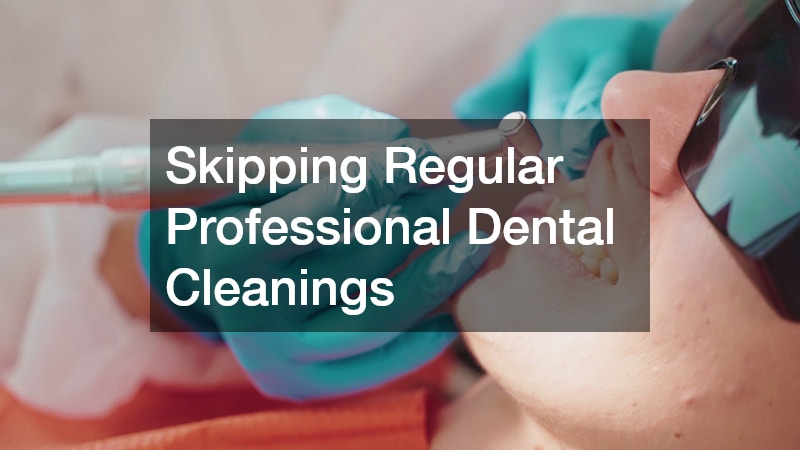
Even with excellent at-home habits, plaque and tartar can build up in spots that a toothbrush simply can’t reach effectively. Over months without a cleaning, this buildup hardens and becomes a magnet for staining pigments from food and drink. Many people underestimate how much a routine cleaning can brighten their smile simply by removing this hidden layer.
A visit to a cosmetic dentist office isn’t just about addressing cosmetic concerns, it’s also an opportunity to catch staining patterns early before they become permanent. During these visits, dental professionals can also recommend personalized strategies based on your specific habits, whether that’s diet, tobacco use, or oral hygiene technique. Staying consistent with these appointments, typically every six months, makes a noticeable difference in maintaining a brighter, healthier smile over the years.
- Schedule cleanings every six months unless advised otherwise
- Ask about polishing treatments during routine visits
- Discuss your diet and habits openly for tailored advice
- Bring up any new staining concerns as soon as you notice them
Tooth discoloration rarely happens overnight, it’s the quiet result of small habits repeated day after day. The good news is that awareness gives you the power to make small adjustments, whether that means rinsing after coffee, snacking less frequently, or simply keeping up with routine cleanings. If your smile still feels duller than you’d like despite these changes, reaching out to a dental professional can help you understand your options and get personalized guidance. Taking that next step now can make a meaningful difference in how your smile looks for years to come.